Methodology
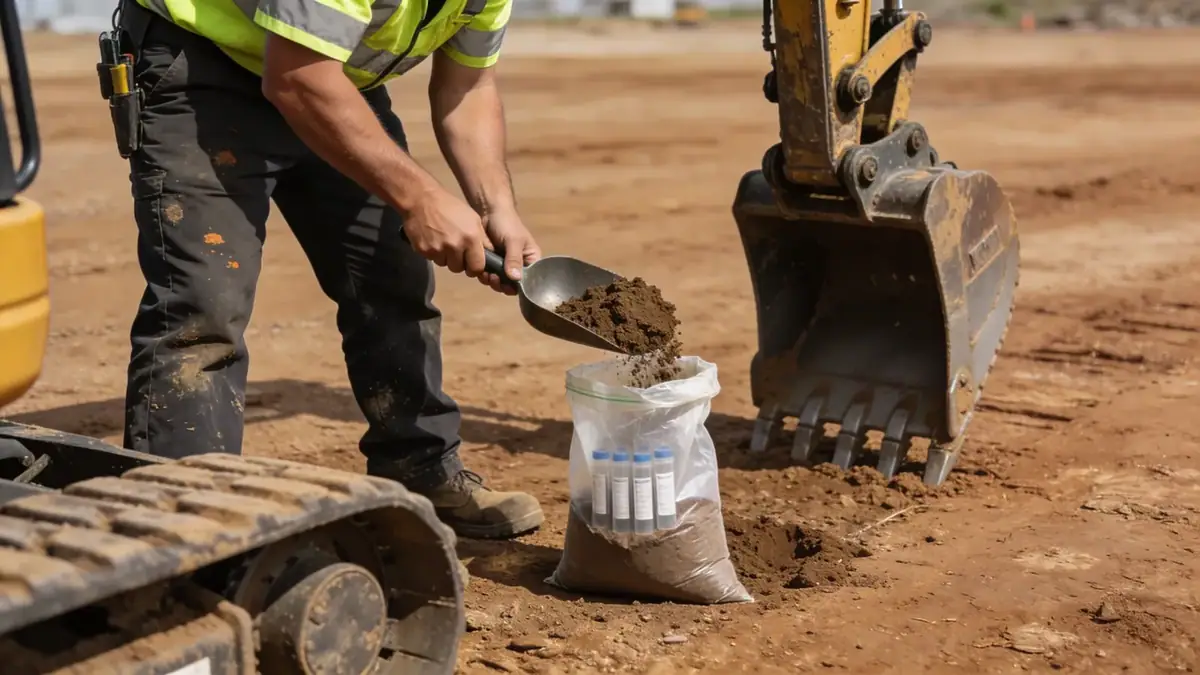
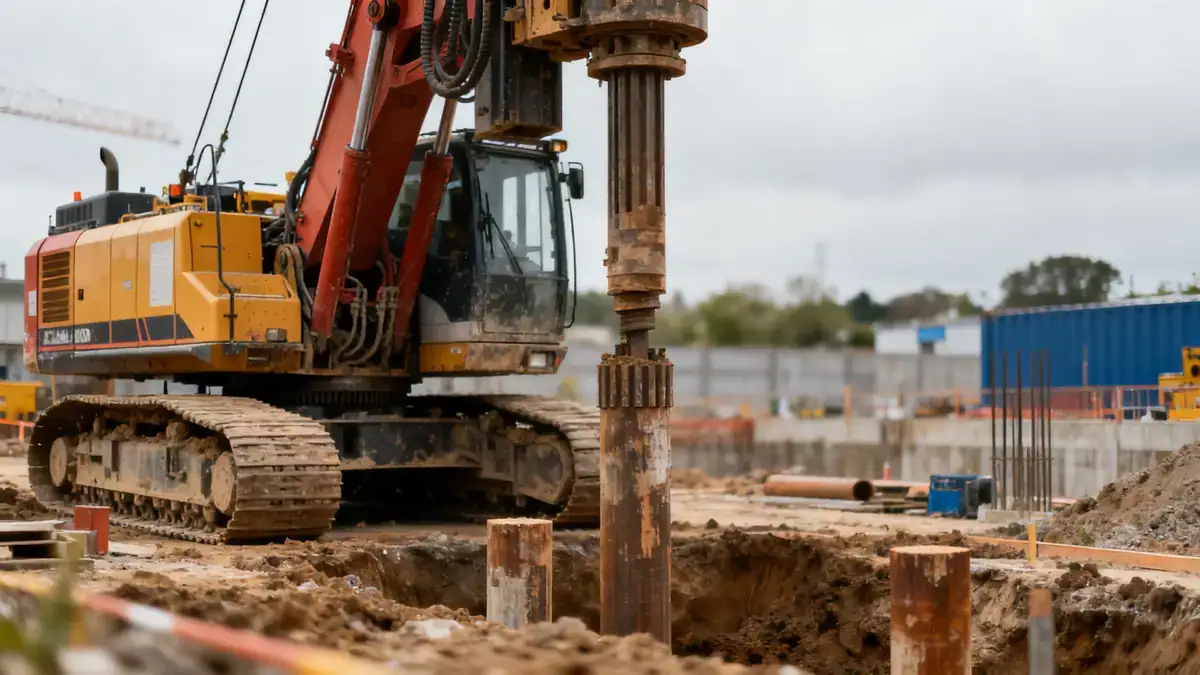
Our methodology for soil mechanics laboratory investigations in Manchester begins with a comprehensive desk study of historical maps and site records to identify potential ground hazards. Field operations include windowless sampling and dynamic probing to depths of up to 15 m, with boreholes advanced using cable percussion techniques. Laboratory testing follows ASTM D1586 for standard penetration tests and BS 1377 for classification and strength parameters. Each program is tailored to the site's geology, ensuring representative samples for soil mechanics laboratory analysis, including moisture content, density, and shear strength determination.
Reference Technical Parameters
| Parameter | Reference Value |
|---|---|
| Predominant soil type | Glacial till (boulder clay) with lenses of sand and gravel |
| Maximum seismic acceleration (PGA) | 0.1g (low seismicity, per Eurocode 8 UK National Annex) |
| Typical groundwater level | 2–5 m below ground surface, variable seasonally |
| Bedrock depth | 10–30 m (Carboniferous bedrock underlying drift) |
| Typical N60 range | 10–40 blows/300 mm in competent till |
Local Considerations — Manchester
Manchester's geology is dominated by glacial till overlying Carboniferous sandstone and mudstone. Groundwater levels fluctuate near the surface, requiring careful dewatering designs. Seismic hazard is low (0.1g PGA) per Eurocode 8, but local site amplification due to soft soil pockets must be considered. Historical mining (coal, salt) in the region necessitates thorough mining risk assessments. Our experience includes foundation solutions for high-rise buildings in the city centre and industrial facilities in Trafford Park. For detailed soil classification, we recommend granulometry & atterberg testing to determine plasticity and particle size distribution.
Request a Quote
Our team reviews your project and issues an initial report at no cost.
Or write us directly at [email protected]
Services in Manchester
Locations covered in Manchester
Applicable Standards
- ASTM D1586
- BS 1377 (Methods of test for soils for civil engineering purposes)
- Eurocode 7 (Geotechnical design)
- Eurocode 8 (Seismic design of structures) – UK National Annex
- NHBC Standards (for residential projects)
Frequently Asked Questions
What types of soil are typically found in Manchester?
Manchester's subsoil consists mainly of glacial till (boulder clay) with interbedded sand and gravel lenses. In river valleys, alluvial deposits of soft clay, silt, and peat are common. These materials require careful characterization for foundation design.
Is seismic design required for Manchester?
Yes, Eurocode 8 applies to all UK structures. Manchester is in a low seismicity zone (PGA 0.1g), but seismic design is necessary for certain building classes. Site-specific response analysis may be needed for soft soil sites.
When is a soil mechanics laboratory study mandatory in Manchester?
A geotechnical investigation is required for all new building projects under NHBC Standards and for structures with significant ground risks (e.g., mining areas, floodplains). Local authorities may also mandate studies for large developments or sensitive sites.