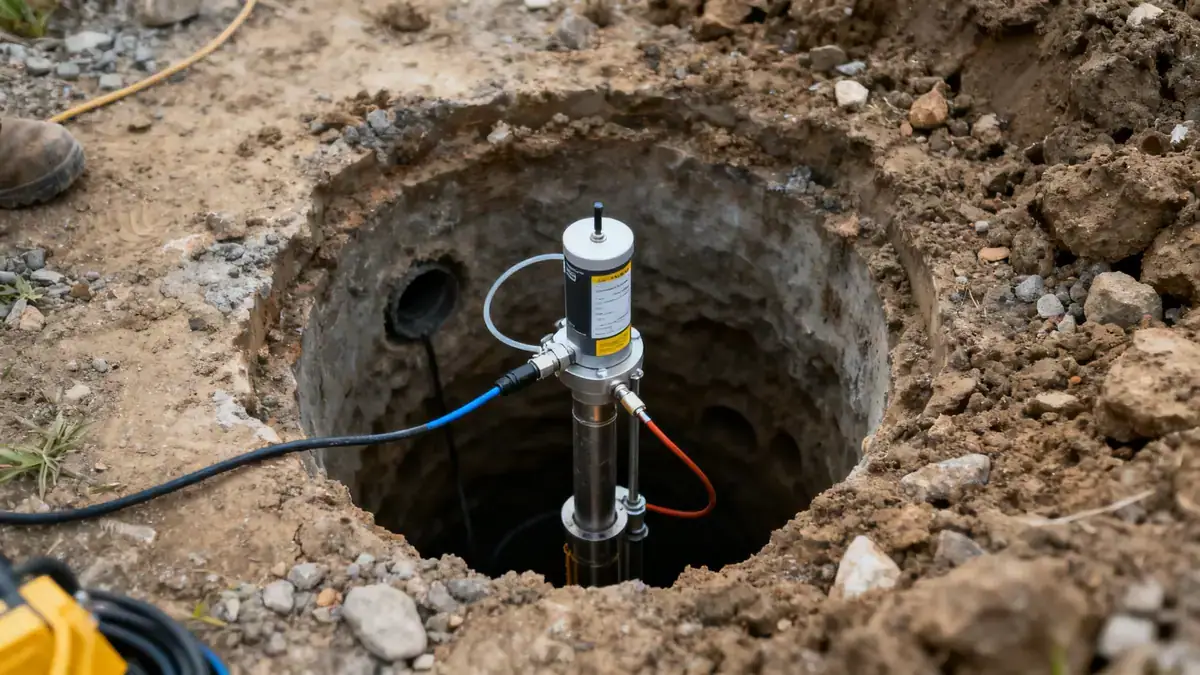
Methodology
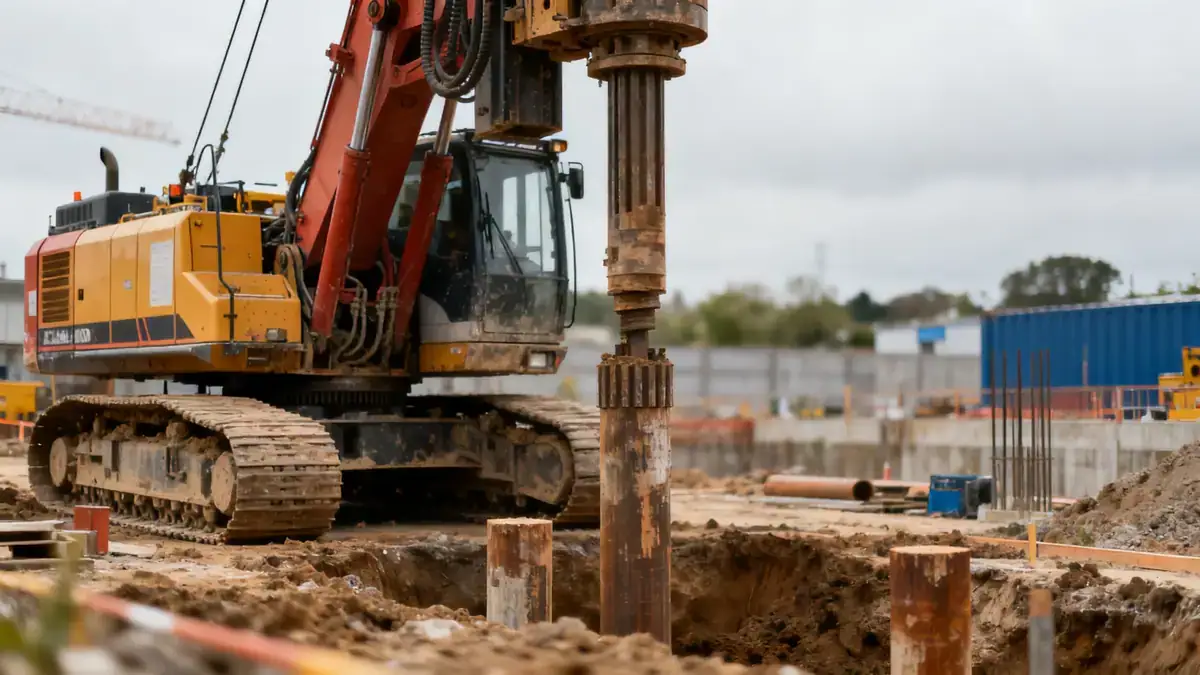
Our methodology for soil mechanics laboratory testing in Birmingham follows established protocols, including ASTM D1586 for standard penetration tests and BS 5930 for site investigation. We integrate field sampling with laboratory analysis, such as soil mechanics laboratory procedures, to characterize soil behavior. For each project, we assess local geology, groundwater levels, and seismic considerations to tailor our approach. This ensures accurate classification of soil types, strength parameters, and consolidation characteristics, providing a robust foundation for engineering design.
Reference Technical Parameters
| Parameter | Reference Value |
|---|---|
| Predominant soil type | Glacial till and Triassic sandstone |
| Maximum seismic acceleration (PGA) | 0.1g (low seismicity) |
| Typical groundwater level | 2–6 m below ground surface |
| Bedrock depth | 10–30 m in most areas |
| Typical N60 range | 15–40 blows/0.3 m |
Local Considerations — Birmingham
Birmingham's subsurface is dominated by glacial till overlying Triassic sandstones and mudstones, with variable groundwater depths. The city's industrial history has left localized contamination in some areas, requiring careful sampling. Seismic hazard is low, but dynamic properties are still evaluated per Eurocode 7. Our team addresses these factors through tailored investigation programs, including granulometry & atterberg testing for soil classification. We also consider the contrast between dense till and softer alluvium in river valleys, common in projects like the Bull Ring or HS2.
Request a Quote
Our team reviews your project and issues an initial report at no cost.
Or write us directly at [email protected]
Services in Birmingham
Locations covered in Birmingham
Applicable Standards
- BS 5930:2015 (Code of practice for ground investigations)
- Eurocode 7 (Geotechnical design – EN 1997)
- ASTM D1586 (Standard Penetration Test)
- ASTM D2487 (Unified Soil Classification System)
Frequently Asked Questions
What types of soil are commonly found in Birmingham?
Birmingham's geology mainly comprises glacial till (boulder clay) and Triassic sandstones. The till is dense and often contains cobbles, while sandstones provide good bearing capacity. Alluvial deposits exist along river valleys, requiring careful assessment for foundation design.
Is seismic analysis required for projects in Birmingham?
Birmingham lies in a low seismicity zone per UK regulations. However, Eurocode 7 may require seismic assessment for critical structures. Our laboratory provides dynamic soil properties to support such analyses, ensuring compliance with national standards.
Are geotechnical investigations mandatory for construction in Birmingham?
Yes, UK building regulations and Eurocode 7 mandate ground investigations for most structures. Local planning authorities often require detailed soil reports. Our team advises on the extent of testing needed based on project scale and risk.