Methodology
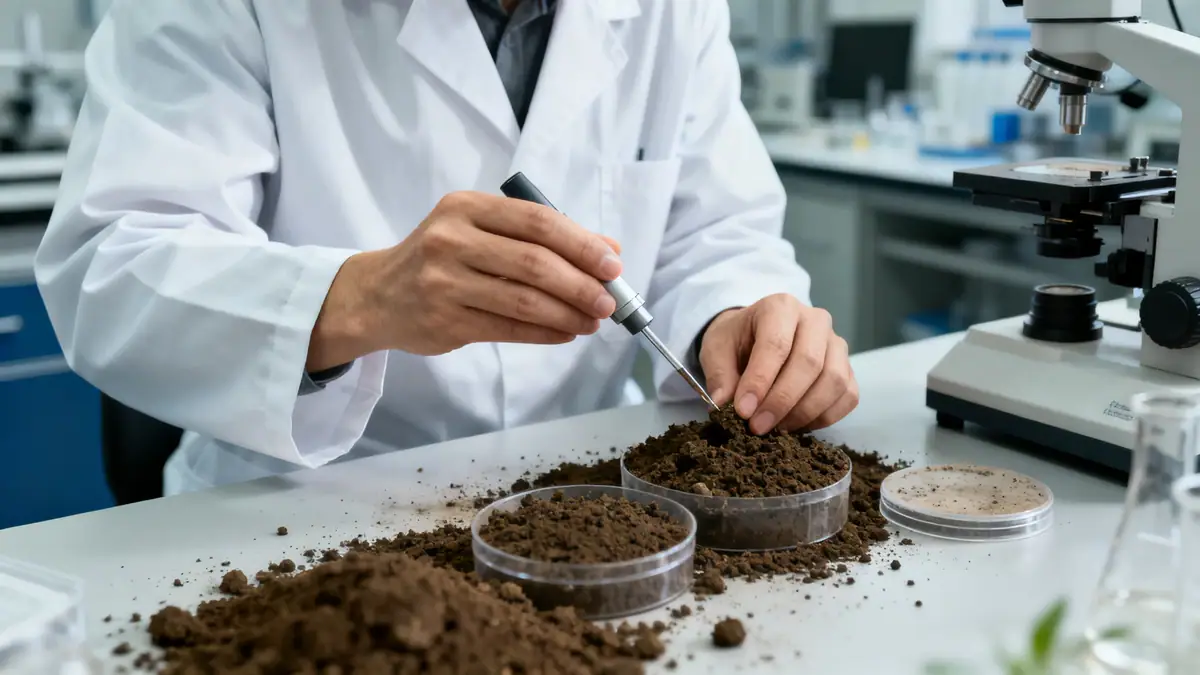
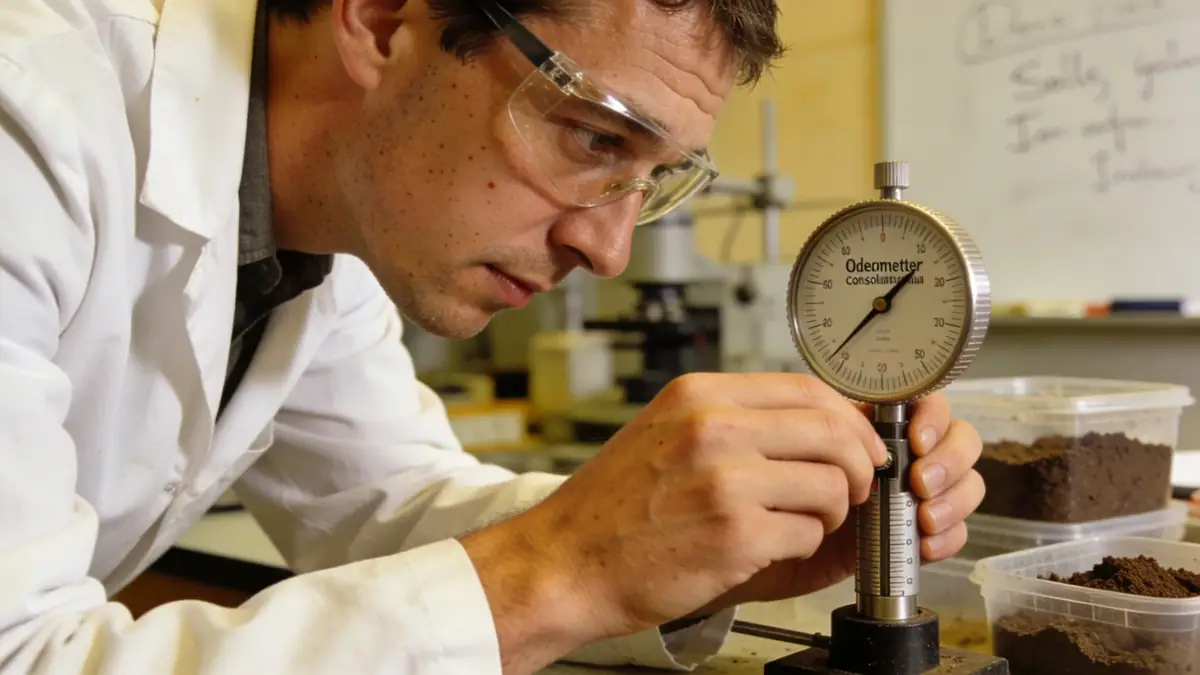
Our methodology follows a structured workflow: sample reception, preparation, and testing in accordance with British Standards. For classification, we perform particle size distribution (BS 1377:1990) and Atterberg limits. For strength, we conduct undrained triaxial tests (UU) on 38 mm to 100 mm diameter specimens, with strain rates of 0.5–2% per minute. Compaction tests (Proctor) determine optimum moisture content to ±0.5%. Oedometer consolidation tests measure coefficient of volume compressibility (mv) with stress increments up to 800 kPa. All equipment is calibrated to UKAS standards. Our laboratory also offers specialized services such as Granulometry & Atterberg testing for detailed soil classification.
Reference Technical Parameters
| Parameter | Reference Value |
|---|---|
| Particle Size Distribution (Sieve + Hydrometer) | 0.002 mm to 75 mm (BS 1377:1990) |
| Atterberg Limits (LL, PL, PI) | Liquid limit 20–80%, Plasticity index 5–50% |
| Undrained Triaxial Compression (UU) | Specimen diameter 38, 50, or 100 mm; strain rate 0.5–2%/min |
| Standard Proctor Compaction | Optimum moisture content ±0.5%, max dry density to ±0.02 Mg/m³ |
Local Considerations — United Kingdom
The United Kingdom's varied geology—from the stiff clays of London and the chalk of southern England to the glacial deposits of Scotland—requires adaptable laboratory protocols. In cities like Aberdeen and Bangor, where glacial tills are prevalent, our team tailors testing to account for high gravel content and variable moisture. In Aylesbury and Barnsley, we frequently encounter clay-rich soils that demand precise Atterberg limits and consolidation tests for foundation design. Our national coverage ensures that samples from Ashford to Basildon are processed with consistent accuracy, and we coordinate with local project teams to address regional geotechnical challenges. For instance, our Soil Laboratory in Aberdeen specializes in testing granular materials common to the North Sea region.
Request a Quote
Our team reviews your project and issues an initial report at no cost.
Or write us directly at [email protected]
Applicable Standards
- BS 5930:2015 – Code of practice for ground investigations
- BS 1377:1990 – Methods of test for soils for civil engineering purposes
- Eurocode 7 (BS EN 1997-2:2007) – Geotechnical design
- ASTM D1586 – Standard test method for Standard Penetration Test (SPT) (for reference)
Frequently Asked Questions
What is the typical turnaround time for soil mechanics laboratory tests?
Turnaround depends on the suite of tests. Basic classification (particle size, Atterberg limits) can be completed within 3–5 working days. Triaxial and consolidation tests may require 10–15 working days due to specimen saturation and loading stages. We prioritize urgent projects upon request.
Which British standards govern soil mechanics laboratory testing?
The primary standard is BS 1377:1990, covering classification, compaction, triaxial, and consolidation tests. Site investigation follows BS 5930:2015. Eurocode 7 (BS EN 1997-2) provides design parameters. We also reference ASTM D1586 for SPT correlations when applicable.
How do you ensure sample integrity during transport from site to laboratory?
Samples are sealed in airtight containers or waxed ends to maintain moisture content. They are transported in rigid, cushioned boxes within 24 hours of extraction. Temperature-sensitive samples (e.g., for environmental testing) are kept in cool storage. All chain of custody is documented.
How much does soil mechanics laboratory testing cost in the United Kingdom?
Costs vary based on sample quantity, test complexity, and depth. A basic classification suite (particle size and Atterberg) typically ranges from £150–£300 per sample. Advanced tests like triaxial or consolidation range from £400–£800 per test. For a precise quotation, please contact our team with project details.