
Methodology
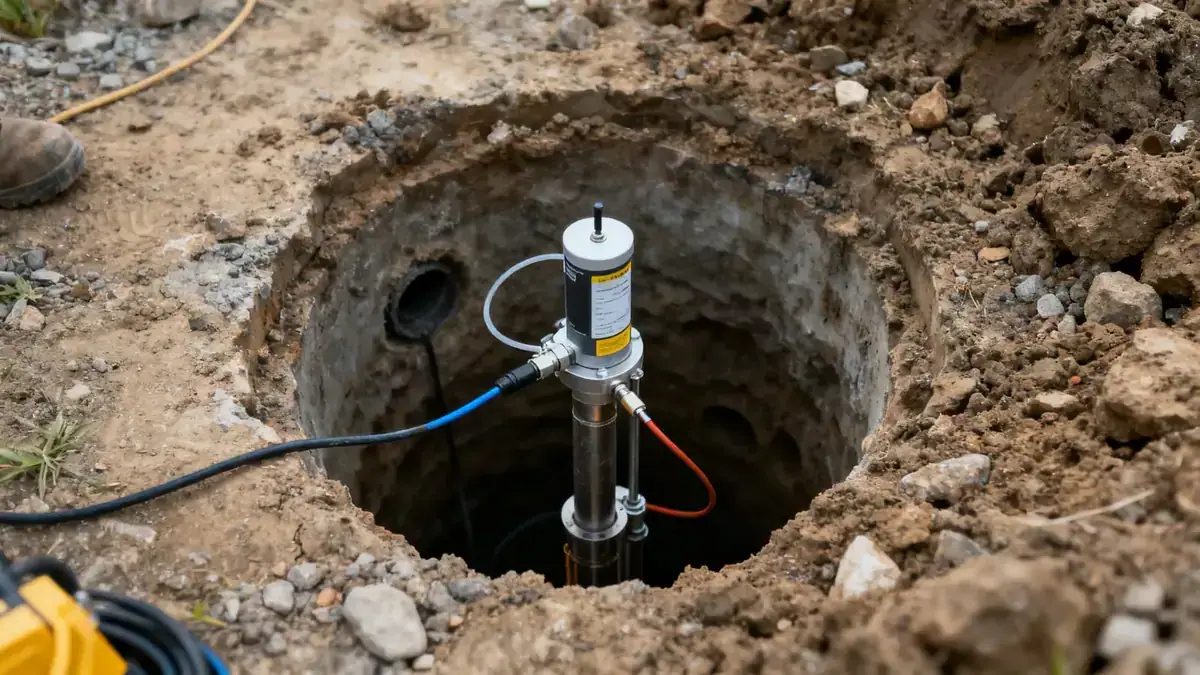
Our team follows standardized protocols for soil classification and strength testing. Granulometry and Atterberg limits are determined per BS 1377, while compaction characteristics are evaluated through Proctor and CBR testing. For advanced applications, triaxial and consolidation tests are conducted under controlled drainage conditions. All procedures adhere to ISO 17025 quality management, with results cross-referenced against regional geological databases to validate consistency.
Reference Technical Parameters
| Parameter | Reference Value |
|---|---|
| Seismic Zone Factor | 0.05–0.25 (g) |
| Typical Borehole Depth | 10–50 m |
| Standard Penetration Test N-value | 5–50 blows/300 mm |
| Unconfined Compressive Strength | 50–400 kPa |
| Permeability Coefficient | 10^-9 to 10^-3 m/s |
Local Considerations — United Kingdom
The United Kingdom exhibits diverse ground conditions, from glacial tills in the north to alluvial deposits in the south. Seismic hazard is low to moderate, governed by Eurocode 8. Our facilities address challenges such as high plasticity clays in the London Basin and loose sands in coastal areas. Local knowledge ensures appropriate sampling and testing strategies for each region.
Request a Quote
Our team reviews your project and issues an initial report at no cost.
Or write us directly at [email protected]
Applicable Standards
- BS 1377:1990
- Eurocode 7 (EN 1997)
- Eurocode 8 (EN 1998)
- ISO 22475-1
Frequently Asked Questions
What standards does your soil mechanics laboratory follow?
Our laboratory operates in accordance with British Standards (BS 1377) and Eurocode 7. All testing procedures are accredited under ISO 17025, ensuring compliance with UK regulatory requirements for geotechnical investigations.
How long does a typical soil testing program take?
Standard classification tests such as granulometry and Atterberg limits are completed within 5–7 working days. Advanced triaxial and consolidation tests may require 2–4 weeks, depending on the number of samples and drainage conditions.
Do you provide services for small-scale projects?
Yes, our firm supports projects of all sizes, from residential extensions to major infrastructure. We offer flexible sampling kits and remote consultation to accommodate smaller budgets while maintaining full technical rigor.