Methodology
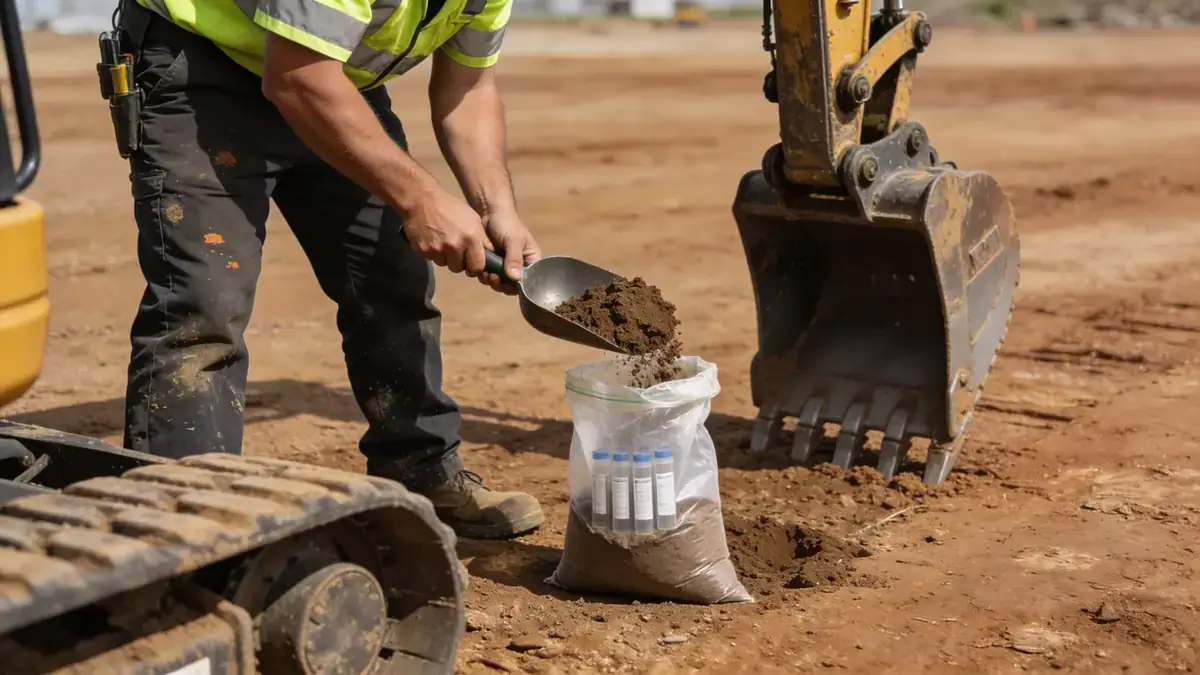
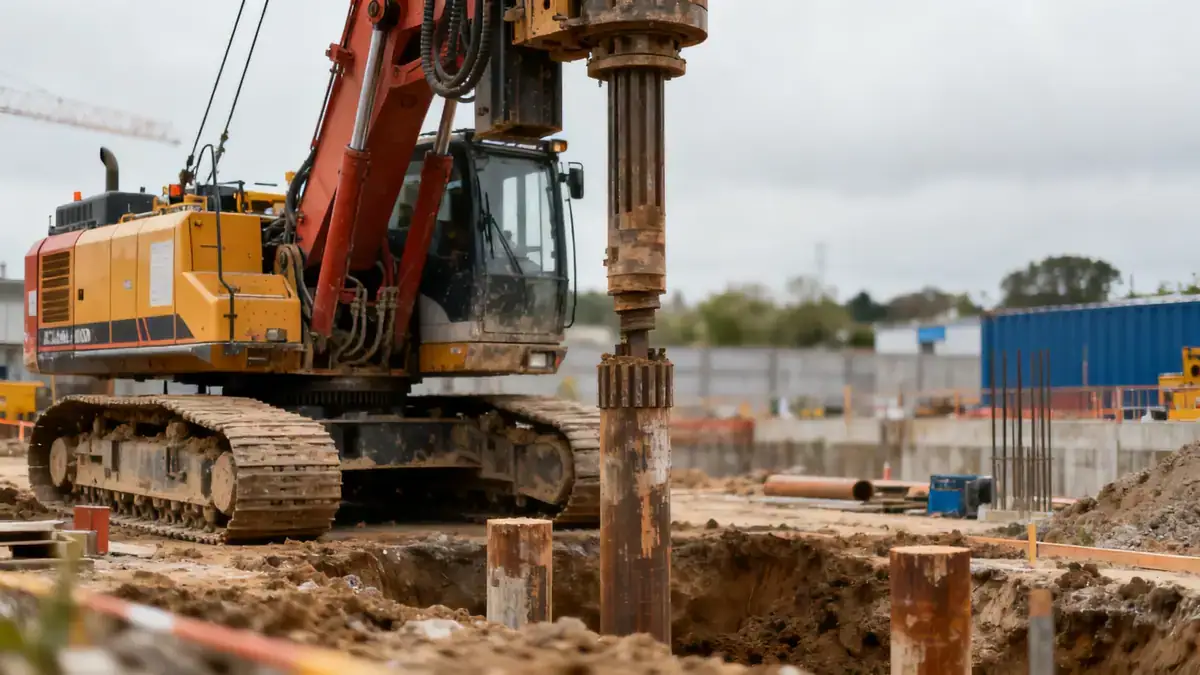
Our methodology for soil mechanics laboratory investigations in Glasgow combines field sampling and laboratory testing in accordance with British Standards. Using rotary core drilling and window sampling, we retrieve undisturbed and disturbed samples for subsequent analysis. Laboratory tests include classification, strength, and consolidation assessments, following procedures such as BS 1377. Our team tailors the investigation programme to the specific ground conditions and project requirements, delivering comprehensive geotechnical reports that inform safe and efficient design. For more details on our approach, visit our soil mechanics laboratory page.
Reference Technical Parameters
| Parameter | Reference Value |
|---|---|
| Predominant soil type | Glacial till / raised marine deposits |
| Typical groundwater level | 2–5 m below ground surface |
| Maximum seismic acceleration (PGA) | 0.05g (low seismicity, UK National Annex) |
| Bedrock depth | Variable: 5–30 m (Carboniferous sedimentary bedrock) |
| Typical N60 range (SPT) | 15–50 blows/300mm in glacial till |
Local Considerations — Glasgow
Glasgow's geology is dominated by glacial till (boulder clay) overlying Carboniferous sandstones and mudstones. Groundwater levels are high in low-lying areas near the Clyde. The city is in a low-seismicity region (PGA < 0.05g). Older industrial areas may contain made ground with obstructions. Our team integrates local knowledge with standardised testing to address these conditions. For granular analysis, we recommend granulometry & atterberg testing to classify soils precisely.
Request a Quote
Our team reviews your project and issues an initial report at no cost.
Or write us directly at [email protected]
Services in Glasgow
Locations covered in Glasgow
Applicable Standards
- BS 1377 (Methods of test for soils for civil engineering purposes)
- BS 5930 (Code of practice for ground investigations)
- Eurocode 7 (Geotechnical design)
- UK National Annex to BS EN 1998-1 (Seismic loading)
Frequently Asked Questions
What are the typical soil types found in Glasgow?
Glasgow's subsurface mainly consists of glacial till (boulder clay) with variable sand and gravel lenses. Raised marine deposits are common in the Clyde valley, and made ground is frequent in former industrial areas. These materials require careful classification and testing for foundation design.
Is seismic analysis required for projects in Glasgow?
Seismic analysis is generally not critical for Glasgow due to low seismicity (PGA < 0.05g). However, Eurocode 8 requires consideration for certain structures. Our team assesses site-specific seismic hazards using UK National Annex provisions to ensure compliance.
Are soil mechanics laboratory tests mandatory for construction in Glasgow?
While not always statutory, soil testing is strongly recommended for any significant construction. Local authority building control often requires a geotechnical report for foundation design. Our laboratory tests provide essential data for safe and economical foundation solutions.