Methodology
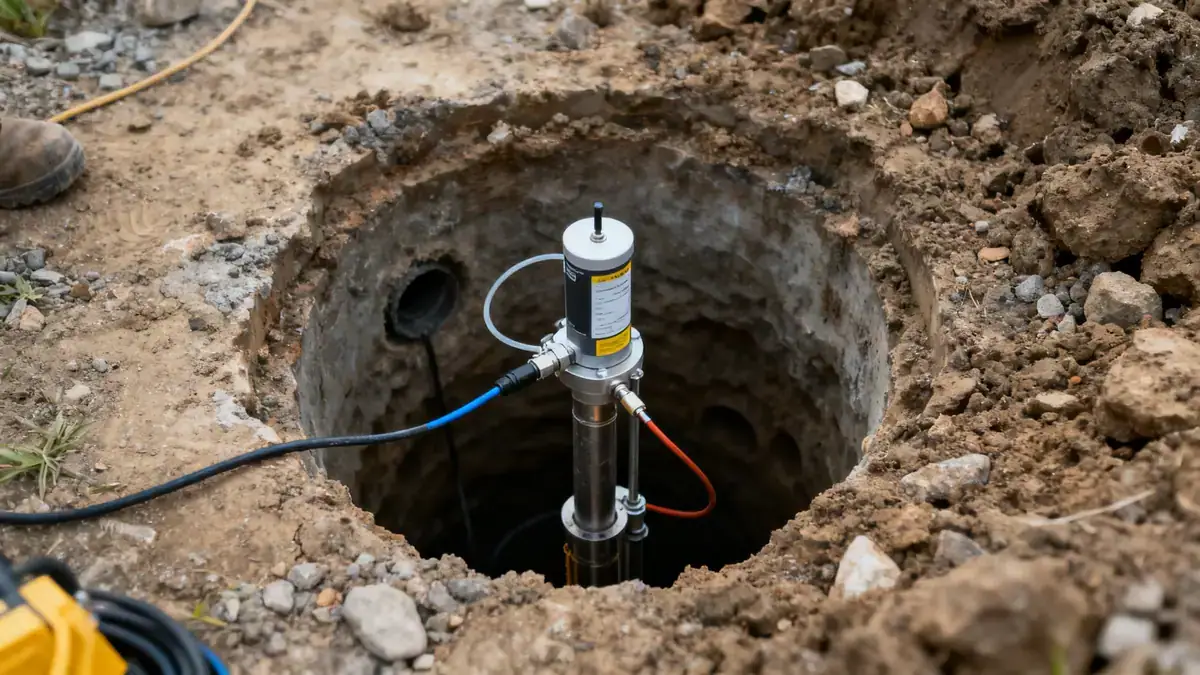
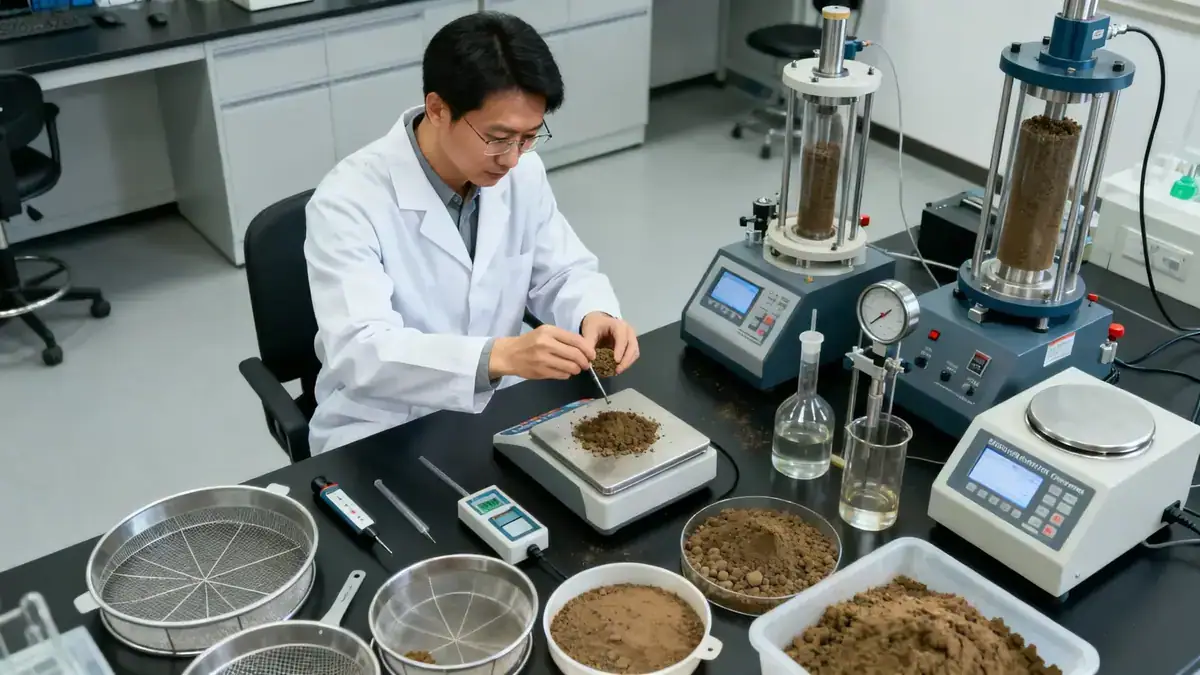
Our methodology for soil mechanics laboratory projects in Blackburn follows a systematic approach aligned with BS 5930. We begin with a desk study reviewing existing geological maps and borehole records, followed by a site walkover to identify constraints. Fieldwork includes window sampling and dynamic probing to assess stratigraphy and strength. In the laboratory, we conduct classification tests including particle size distribution and Atterberg limits, alongside strength and compaction tests. For a comprehensive overview of our capabilities, visit our soil mechanics laboratory page. All procedures adhere to UK standards, ensuring reproducible and defensible results.
Reference Technical Parameters
| Parameter | Reference Value |
|---|---|
| Predominant soil type | Glacial till (boulder clay) over Coal Measures |
| Maximum seismic acceleration (PGA) | 0.15g (intermediate seismicity, Eurocode 8) |
| Typical groundwater level | 2–5 m below ground surface |
| Bedrock depth | 10–30 m (variable) |
| Typical N60 range (SPT) | 10–30 (glacial till), 30–50 (weathered bedrock) |
Local Considerations — Blackburn
Blackburn's subsurface is shaped by Quaternary glaciation, with stiff glacial till overlying fractured Carboniferous strata. This contrast demands careful drilling techniques to avoid disturbance of cohesive soils. In central Blackburn, shallow groundwater can complicate excavations, requiring dewatering assessments. In suburban areas, former mining activity may cause voids, necessitating geophysical surveys. Our team evaluates these factors to recommend appropriate sampling intervals and test types. For more on our approach, see our granulometry & Atterberg service page. We also coordinate with our soil mechanics laboratory en Manchester to ensure consistent quality across the region.
Request a Quote
Our team reviews your project and issues an initial report at no cost.
Or write us directly at [email protected]
Services in Blackburn
Applicable Standards
- BS 5930 (Code of practice for site investigations)
- Eurocode 7 (Geotechnical design – EN 1997)
- Eurocode 8 (Seismic design – EN 1998)
- ASTM D1586 (Standard test method for SPT)
- BS 1377 (Methods of test for soils for civil engineering purposes)
Frequently Asked Questions
What types of soil are commonly found in Blackburn?
Blackburn's soils are predominantly glacial till (boulder clay) with variable cobble content, underlain by Carboniferous Millstone Grit and Coal Measures. Alluvial deposits occur along river valleys. These soils exhibit moderate to high strength but can be sensitive to moisture changes.
Is seismic design required for buildings in Blackburn?
Yes, according to Eurocode 8, Blackburn falls in an intermediate seismicity zone with a peak ground acceleration (PGA) of approximately 0.15g. Seismic design is mandatory for certain building classes, particularly public and high-occupancy structures, requiring site-specific response spectra.
Are geotechnical investigations mandatory for construction in Blackburn?
While not always statutory for small extensions, geotechnical investigations are strongly recommended for any new build or significant alteration. Local planning authorities may request a ground investigation report to assess foundation suitability, especially in areas with known mining or flooding risks.