Methodology

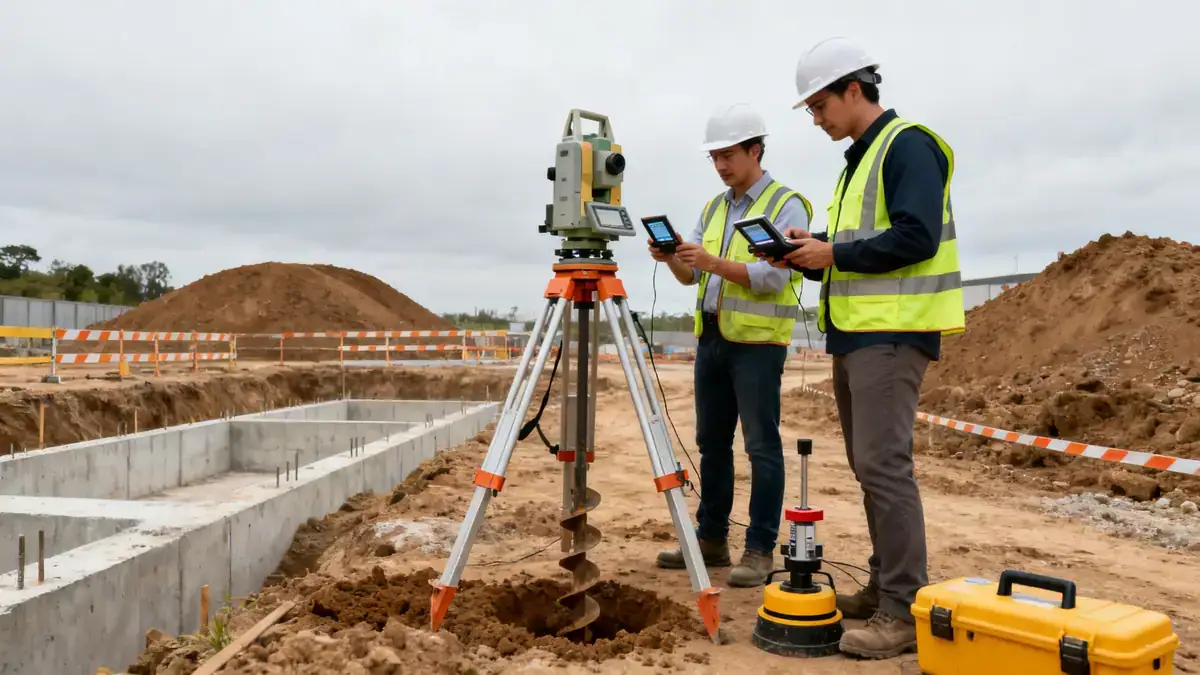
Our methodology for soil mechanics laboratory in Nottingham follows a systematic approach aligned with British Standards. We begin with a thorough desk study of local geology and historical records, followed by site investigation using methods such as dynamic sampling and trial pits. Laboratory tests include classification, compaction, and strength assessments, all performed in our UKAS-accredited facility. For detailed insights, we refer to our soil mechanics laboratory services. Data is interpreted to provide geotechnical parameters for design. Our process ensures compliance with BS 5930 and Eurocode 7, delivering dependable results for foundations, earthworks, and slope stability in Nottingham.
Reference Technical Parameters
| Parameter | Reference Value |
|---|---|
| Predominant soil type | Mercia Mudstone (clay/shale) with alluvial deposits |
| Maximum seismic acceleration (PGA) | 0.05 g (low seismicity, BS EN 1998-1) |
| Typical groundwater level | 2–5 m below ground level (variable) |
| Bedrock depth | 5–20 m (Mercia Mudstone) |
| Typical N60 range | 10–30 (clay/shale), 5–15 (alluvium) |
Local Considerations — Nottingham
Nottingham's geology is dominated by Mercia Mudstone, often overlain by river terrace deposits and alluvium near the Trent. Groundwater levels can be shallow, especially in low-lying areas, requiring dewatering or drainage considerations. The region has low seismicity, with a PGA of 0.05 g per BS EN 1998-1. Urban areas like the city centre contrast with suburban developments on variable ground. Typical projects include residential foundations and infrastructure upgrades. Our team integrates these local factors into every study, and for clients with broader needs, we collaborate with our soil mechanics laboratory en Birmingham to provide comprehensive support.
Request a Quote
Our team reviews your project and issues an initial report at no cost.
Or write us directly at [email protected]
Services in Nottingham
Applicable Standards
- BS 5930 (Site Investigation)
- Eurocode 7 (Geotechnical Design)
- BS EN 1998-1 (Seismic Design)
- ASTM D1586 (SPT)
Frequently Asked Questions
What soil types are common in Nottingham?
Nottingham primarily features Mercia Mudstone (clay/shale) with superficial deposits of alluvium and river terraces. These soils can be variable, with clay-rich layers prone to shrinkage and swelling. Understanding their properties is essential for foundation design.
Is seismic design required for projects in Nottingham?
Nottingham is in a low seismicity zone with a PGA of 0.05 g per BS EN 1998-1. While detailed seismic analysis is typically not required for standard structures, certain projects may need consideration. Our team can advise based on specific site conditions and regulatory requirements.
Are geotechnical studies mandatory for construction in Nottingham?
Building Regulations and local planning authorities often require a ground investigation report for new constructions, especially in areas with variable ground conditions. A soil mechanics laboratory in Nottingham provides the necessary data to ensure safe and compliant designs.