Methodology
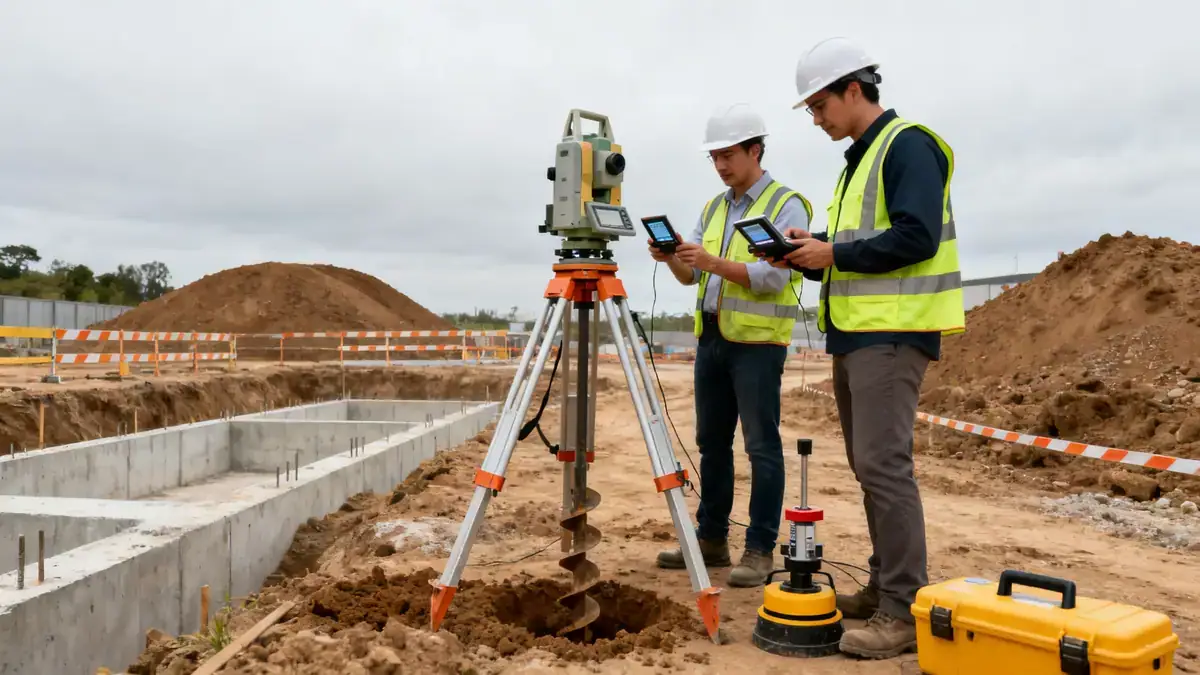
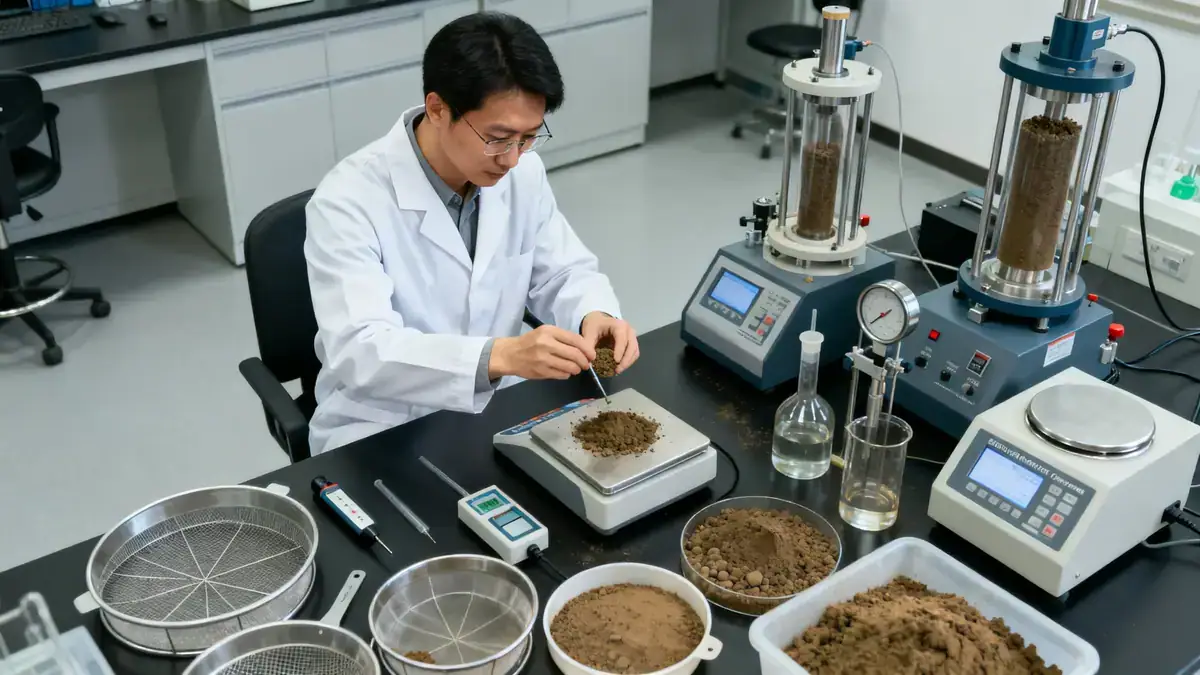
Our approach to soil mechanics laboratory work in Northampton follows a systematic methodology aligned with British Standards. We begin with a thorough desk study of the site's geological history and existing borehole records. Field investigations, including window sampling and cable percussion boreholes, are tailored to the anticipated ground conditions. Samples are then processed in our UKAS-accredited laboratory, where we perform classification tests, shear strength determinations, and consolidation testing. Our team utilises modern equipment and adheres to strict quality control protocols. For more details on our standard procedures, visit our soil mechanics laboratory page.
Reference Technical Parameters
| Parameter | Reference Value |
|---|---|
| Predominant soil type | Jurassic ironstone, Lias clay |
| Maximum seismic acceleration (PGA) per UK National Annex | 0.05 g (low seismicity) |
| Typical groundwater level | 3–8 m below ground level |
| Bedrock depth | Variable, typically 10–30 m |
| Typical N60 range (SPT) | 10–30 blows/300 mm in clay; 30–50 in ironstone |
Local Considerations — Northampton
Northampton's geology is dominated by the Northampton Sand Formation and Lias Group, which influence foundation design and earthworks. Groundwater levels are often high in the river valleys, requiring dewatering considerations. The region has low seismicity per Eurocode 8, but local faults may require site-specific assessments. Development areas like Brackmills and Upton contrast with the historic town centre, where shallow foundations are common. Our team has encountered swelling clays and ironstone dissolution features on numerous projects. For complementary services, see our granulometry & atterberg testing capabilities.
Request a Quote
Our team reviews your project and issues an initial report at no cost.
Or write us directly at [email protected]
Services in Northampton
Applicable Standards
- BS 5930:2015 – Code of practice for ground investigations
- Eurocode 7 (BS EN 1997-1, BS EN 1997-2)
- BS 1377:1990 – Methods of test for soils for civil engineering purposes
- National Annex to Eurocode 8 (low seismicity zone)
Frequently Asked Questions
What soil types are most common in Northampton?
The dominant soils are Jurassic ironstone (Northampton Sand Formation) and Lias clay. These materials vary significantly in strength and compressibility, requiring careful laboratory testing for foundation design.
Is seismic analysis required for Northampton projects?
The UK National Annex to Eurocode 8 classifies most of Northampton as low seismicity (PGA ~0.05 g). However, for critical structures or sites near known faults, a site-specific response analysis may be advisable.
When is a soil mechanics laboratory study mandatory in Northampton?
Local building control often requires a geotechnical investigation for new builds or significant extensions, especially in areas with variable ground conditions or high groundwater. A desktop study is typically the first step.