Methodology
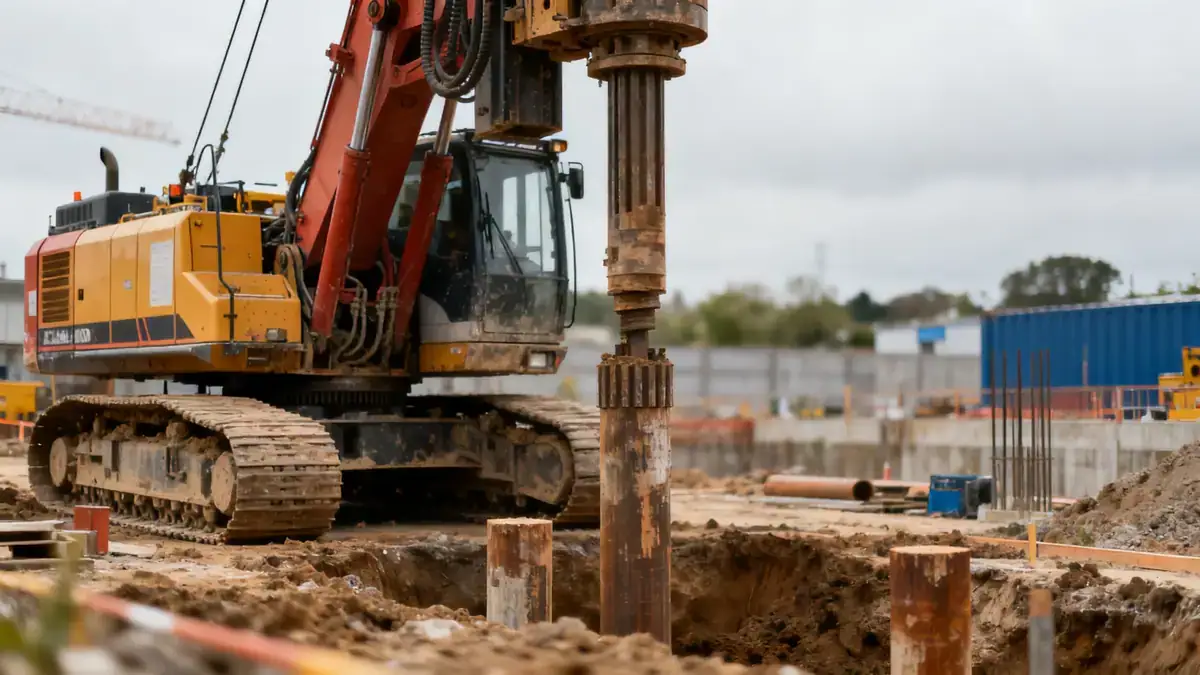
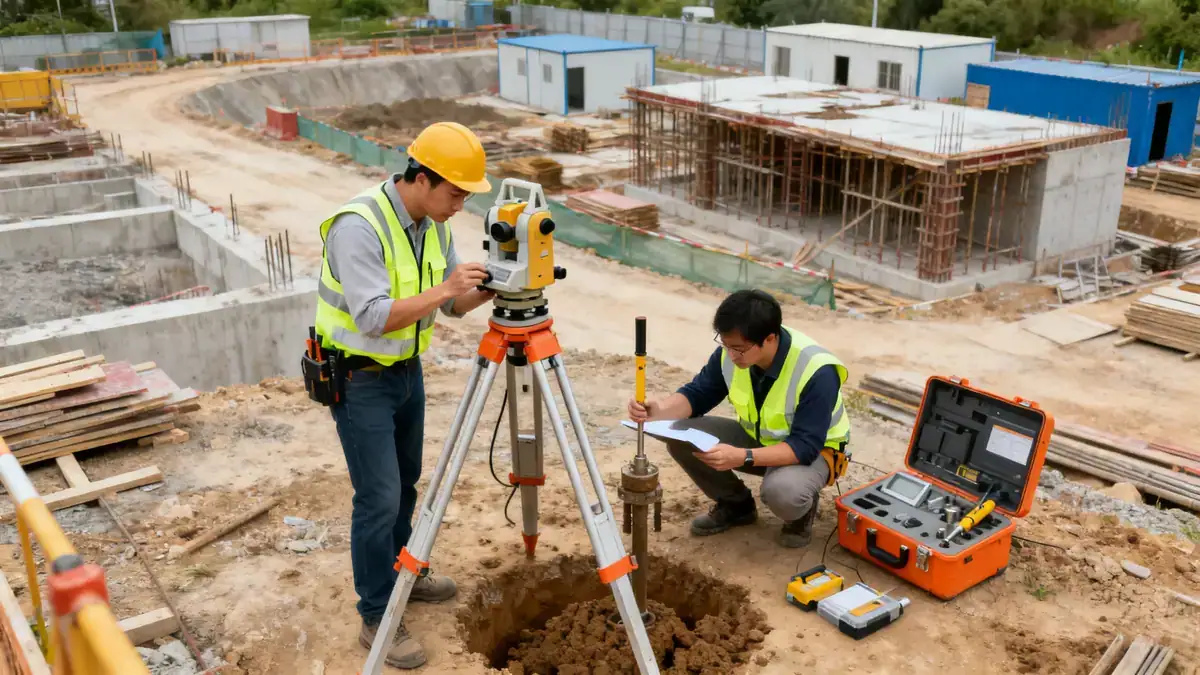
Our methodology for soil mechanics laboratory in York follows a systematic approach. Initial desk studies review geological maps and historical records to identify potential hazards such as compressible soils or high groundwater. Field investigations employ standard penetration testing (SPT) per ASTM D1586, with sampling intervals every 1.0 to 1.5 meters to depths of 8–15 meters for residential structures and up to 30 meters for commercial projects. Laboratory testing includes soil mechanics laboratory classification, strength, and consolidation tests. All procedures comply with relevant British Standards and Eurocode 7, ensuring data reliability for design.
Reference Technical Parameters
| Parameter | Reference Value |
|---|---|
| Predominant soil type | Glacial till (boulder clay) overlying Triassic sandstone |
| Maximum seismic acceleration (PGA) | 0.08g (low seismicity per UK National Annex to Eurocode 8) |
| Typical groundwater level | 2–5 m below ground surface, varies seasonally |
| Bedrock depth | 10–30 m (sandstone surface irregular) |
| Typical N60 range (SPT) | 10–30 in till; >50 in sandstone |
Local Considerations — York
York's geology is dominated by glacial till, a stiff but variable clay with occasional sand and gravel lenses. Alluvial deposits along the River Ouse and Foss can be soft and compressible, requiring careful settlement analysis. The water table is generally high, posing challenges for excavations and basement construction. Seismic hazard is low (PGA 0.08g), but site-specific response must be considered per Eurocode 8. In historic districts like the City Centre, shallow foundations on till are common, while modern developments in areas such as Clifton or Fulford often require deep foundations reaching sandstone. Our team in York routinely addresses these conditions, with reference to our hub at soil mechanics laboratory en Leeds for regional expertise.
Request a Quote
Our team reviews your project and issues an initial report at no cost.
Or write us directly at [email protected]
Services in York
Applicable Standards
- ASTM D1586 (Standard Test Method for Penetration Test and Split-Barrel Sampling of Soils)
- Eurocode 7 (Geotechnical design – BS EN 1997)
- Eurocode 8 (Seismic design – BS EN 1998, UK National Annex)
- BS 5930 (Code of practice for ground investigations)
- NHBC Standards (for residential developments)
Frequently Asked Questions
What are the typical soil conditions encountered in York?
York is predominantly underlain by glacial till (boulder clay), a stiff to very stiff clay with variable gravel content. Alluvial deposits exist near rivers, and Triassic sandstone is found at depth. Groundwater levels are usually high, within 2–5 m of the surface.
Is seismic consideration necessary for geotechnical design in York?
Yes, although York is in a low seismicity zone (PGA ~0.08g per Eurocode 8 UK National Annex), site-specific seismic response analysis may be required for important structures. Soil amplification due to soft alluvial deposits can increase ground motion.
Are soil mechanics laboratory studies mandatory for construction in York?
While not always legally mandatory, most local authorities and NHBC require ground investigation for new builds. For extensions or conversions, a soil report is strongly recommended to ensure foundation adequacy, especially in areas with variable ground conditions.