Methodology
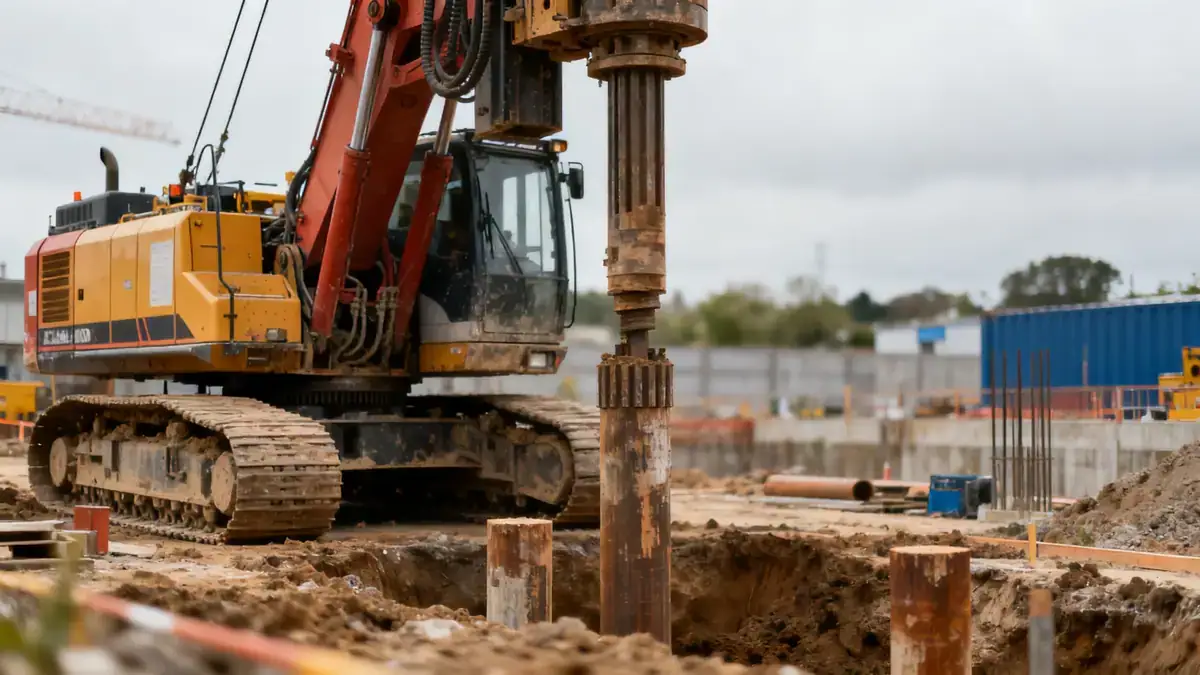
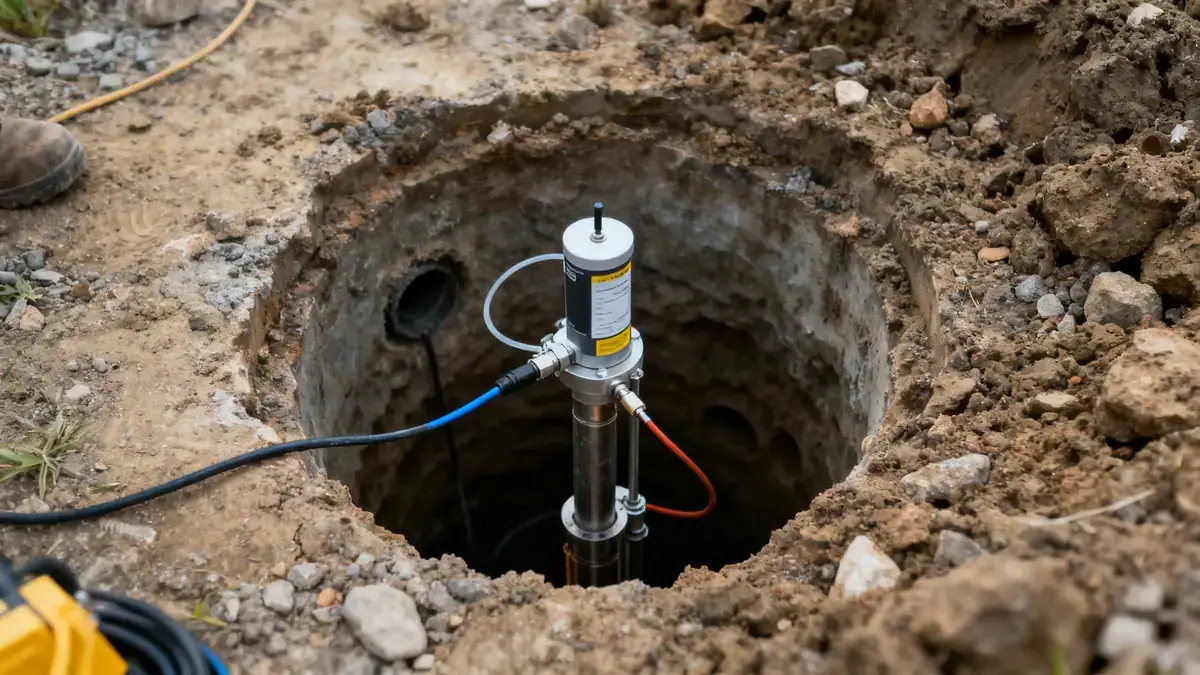
Our approach to soil mechanics laboratory in Swansea follows a systematic methodology aligned with British Standards and Eurocode 7. We begin with a detailed desk study reviewing geological maps and historical site data, followed by intrusive investigation using window sampling, cable percussion boreholes, and trial pits. In our UKAS-accredited laboratory, we conduct classification tests, strength and stiffness measurements, and consolidation testing. For further detail on our core capabilities, visit our soil mechanics laboratory page. All procedures adhere to BS 5930 and Eurocode 7, ensuring reliable parameters for foundation design and earthworks.
Reference Technical Parameters
| Parameter | Reference Value |
|---|---|
| Predominant soil type | Glacial till and alluvium |
| Maximum seismic acceleration (PGA) | 0.05g to 0.10g (low seismicity) |
| Typical groundwater level | 2 to 5 metres below ground surface |
| Bedrock depth | 10 to 30 metres (Carboniferous) |
| Typical N60 range (SPT) | 15 to 40 blows/300mm |
Local Considerations — Swansea
Swansea's ground conditions are shaped by glacial processes and coastal alluvium. The predominant glacial till offers variable bearing capacity, often requiring careful assessment of cobble and boulder content. In low-lying areas near Swansea Bay, soft alluvial clays and high groundwater demand specific testing such as triaxial and consolidation. The city's low seismic hazard (PGA <0.10g) still necessitates site-specific soil classification per Eurocode 8. Our team frequently advises on foundation solutions for both historic and new-build projects, referencing our granulometry & atterberg testing for soil classification. For regional coordination, we also collaborate with our soil mechanics laboratory en Cardiff.
Request a Quote
Our team reviews your project and issues an initial report at no cost.
Or write us directly at [email protected]
Services in Swansea
Applicable Standards
- BS 5930 (Code of practice for ground investigations)
- Eurocode 7 (Geotechnical design)
- Eurocode 8 (Seismic design)
- ASTM D1586 (Standard test method for SPT)
Frequently Asked Questions
What are the typical soil types found in Swansea?
Swansea's soils are predominantly glacial till (boulder clay) overlying Carboniferous bedrock, with alluvial deposits in coastal areas. The till is typically a stiff, sandy clay with occasional cobbles, while alluvium consists of soft clays, silts, and sands with variable groundwater conditions.
Is seismic design required for construction in Swansea?
Swansea lies in a low seismic hazard zone (PGA 0.05g–0.10g). However, Eurocode 8 mandates site-specific ground response analysis for certain structures, particularly those in ground type D or E soils. Our laboratory provides dynamic testing and classification to support seismic design.
Are geotechnical investigations mandatory for building projects in Swansea?
While not always legally required, geotechnical investigations are strongly recommended by local planning authorities and building control. For all but minor extensions, a site investigation and soil mechanics laboratory testing are essential to ensure safe and economical foundation design.