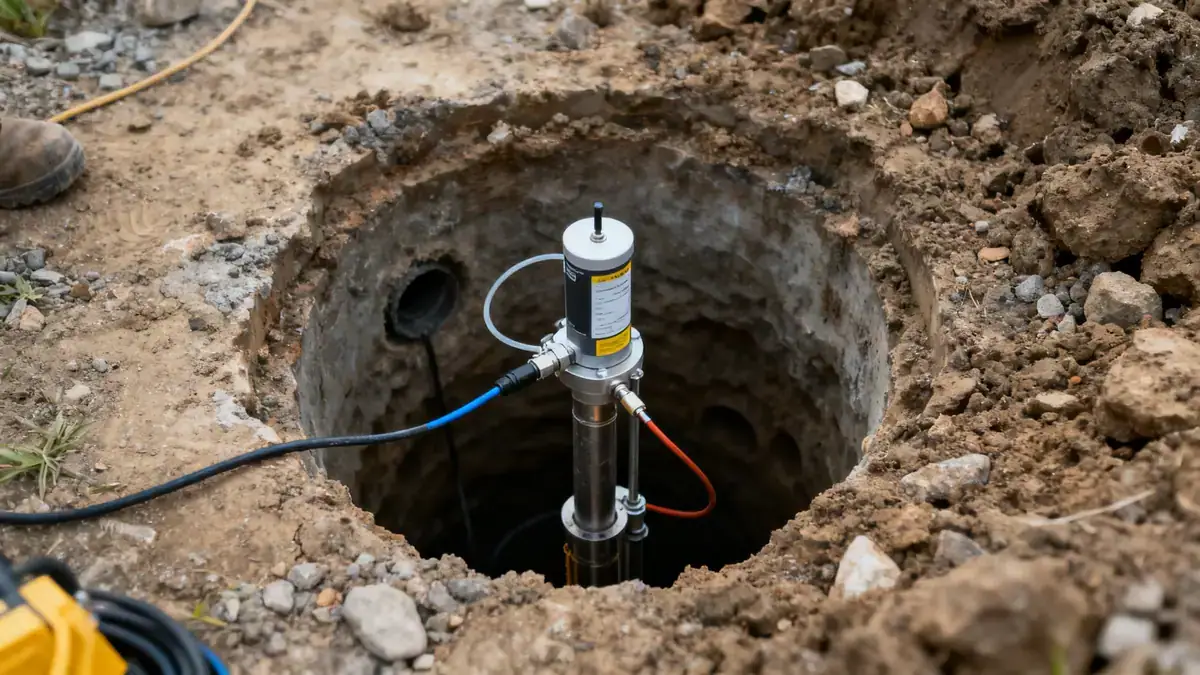
Methodology
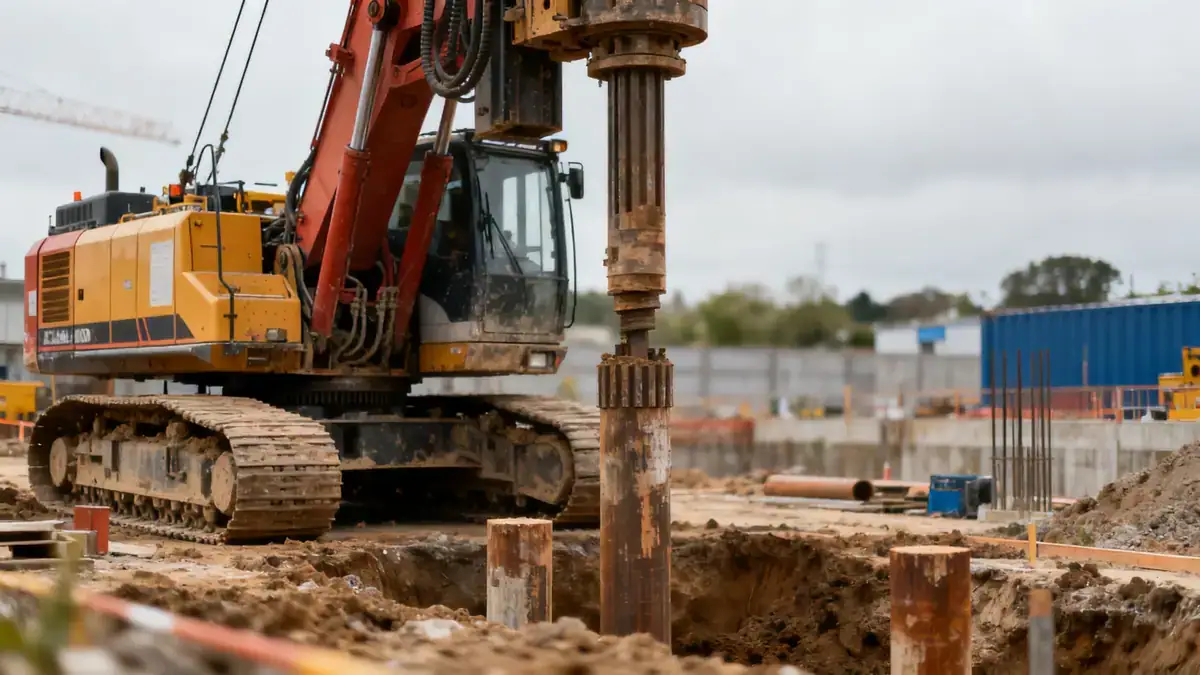
Our methodology for soil mechanics laboratory in Bradford follows BS 5930 and Eurocode 7, beginning with a desk study of local geology and historical records. We conduct field investigations using standard penetration tests (SPT per ASTM D1586) and cone penetration tests (CPT) to characterize subsurface conditions. Laboratory testing includes soil mechanics laboratory procedures for index properties, strength, and consolidation. Sampling intervals are typically 1.0–1.5 m for SPT, with depths ranging from 8 to 15 m for residential projects and up to 30 m for industrial sites. All testing is performed under UKAS-accredited conditions, ensuring data reliability for geotechnical design.
Reference Technical Parameters
| Parameter | Reference Value |
|---|---|
| Predominant soil type | Glacial till (boulder clay) and alluvial deposits |
| Maximum seismic acceleration (PGA) | 0.05–0.10 g (low seismicity, per BS EN 1998-1) |
| Typical groundwater level | 2–5 m below ground surface |
| Bedrock depth | 10–30 m (Millstone Grit and Coal Measures) |
| Typical N60 range (SPT) | 15–35 blows/300 mm in till; 5–15 in alluvium |
Local Considerations — Bradford
Bradford's geology comprises glacial till overlying Carboniferous bedrock (Millstone Grit and Coal Measures), with alluvial deposits along the Aire and Calder valleys. Groundwater levels are typically shallow (2–5 m), requiring dewatering considerations for excavations. Seismic hazard is low (PGA 0.05–0.10 g), but local site effects may amplify ground motion in soft alluvial areas. Contrasting soil conditions exist between the city centre (fill and alluvium) and suburban areas (competent till), necessitating tailored granulometry & atterberg testing. Typical projects include residential foundations and road embankments, where soil variability demands careful investigation. For broader regional context, see our soil mechanics laboratory en Leeds.
Request a Quote
Our team reviews your project and issues an initial report at no cost.
Or write us directly at [email protected]
Services in Bradford
Applicable Standards
- BS 5930:2015 Code of practice for ground investigations
- Eurocode 7 (BS EN 1997-1 and 1997-2)
- ASTM D1586 Standard Test Method for Standard Penetration Test (SPT)
- BS EN 1998-1:2004 Eurocode 8: Design of structures for earthquake resistance
Frequently Asked Questions
What are the typical soil types encountered in Bradford?
Bradford's soils are predominantly glacial till (boulder clay) and alluvial deposits. Glacial till is a dense, heterogeneous mixture of clay, silt, sand, and gravel, while alluvium consists of softer, finer sediments along river valleys. Bedrock is typically Millstone Grit or Coal Measures at depths of 10–30 m.
Is seismic design required for foundations in Bradford?
Bradford is in a low seismicity region (PGA 0.05–0.10 g per Eurocode 8). Seismic design is generally not critical for standard buildings, but site-specific ground response analysis may be needed for tall or sensitive structures on soft alluvial soils to account for local amplification.
When is a soil mechanics laboratory investigation mandatory in Bradford?
A soil investigation is required for most new constructions under the Building Regulations 2010 (Approved Document A) and local planning conditions. It is essential for deep foundations, retaining walls, roadworks, and sites with suspected contaminated land or variable ground conditions.