Methodology

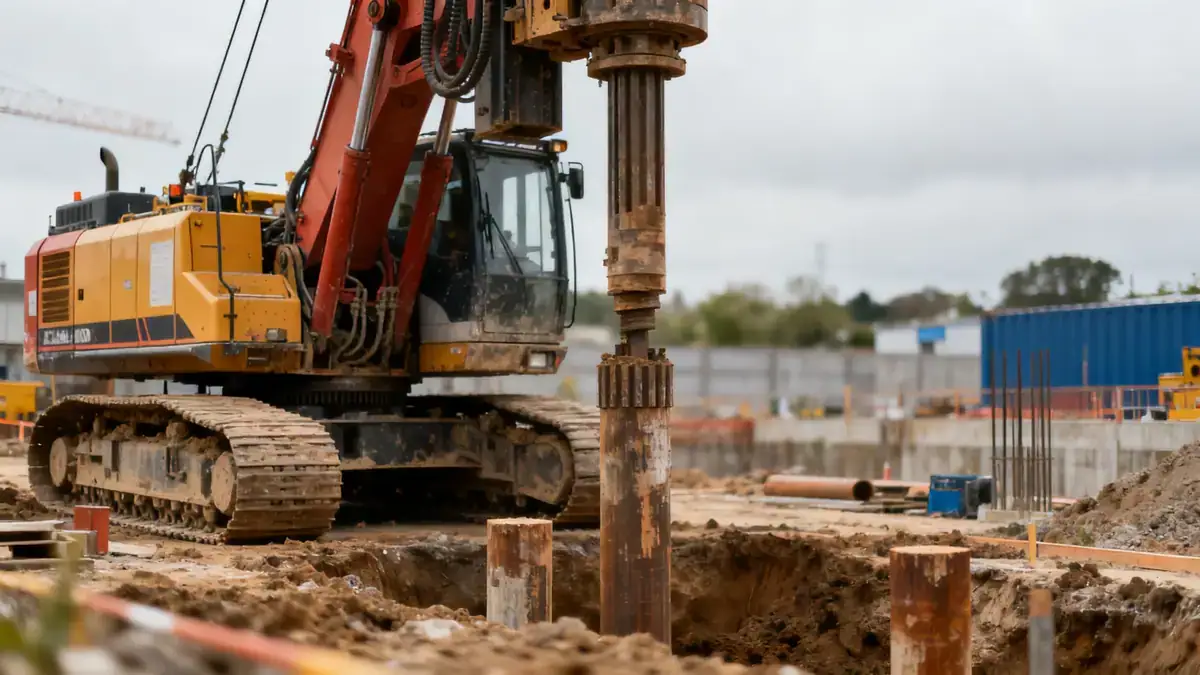
Our methodology for soil mechanics laboratory in Bognor Regis follows rigorous UK standards, including BS 5930 for site investigation. We employ a phased approach: initial desk study of geological maps and historical records, followed by field sampling via trial pits and boreholes. Samples are tested in our laboratory for classification and strength parameters. This systematic process ensures that our soil mechanics laboratory services deliver accurate data for foundation design and slope stability analysis. Our team prioritizes quality control at every stage, from sample collection to reporting, to meet the demands of local regulators and engineers.
Reference Technical Parameters
| Parameter | Reference Value |
|---|---|
| Predominant soil type | Sand and gravel (coastal); clay and silt (inland) |
| Maximum seismic acceleration (PGA) | 0.05g to 0.10g (low seismicity, per BS EN 1998-1) |
| Typical groundwater level | 2.0 to 4.0 m below ground surface |
| Bedrock depth | Variable; typically >30 m (Chalk bedrock) |
| Typical N60 range (SPT) | 5 to 20 blows per 300 mm in sands; 10 to 30 in clays |
Local Considerations — Bognor Regis
Bognor Regis lies on the south coast, underlain by Quaternary deposits (beach sands and alluvium) over Upper Cretaceous Chalk. Groundwater levels are shallow near the coast, posing risks for excavation and foundation stability. The region has low seismicity, but compliance with Eurocode 7 and BS EN 1998-1 is required for critical structures. Our team has extensive experience with these conditions, supporting projects from residential extensions to coastal defenses. For broader regional context, our soil mechanics laboratory en London hub provides additional insights into UK geotechnical practice. Local soil variability demands site-specific testing, which we deliver through our granulometry & atterberg services.
Request a Quote
Our team reviews your project and issues an initial report at no cost.
Or write us directly at [email protected]
Services in Bognor Regis
Applicable Standards
- BS 5930:2015 (Code of practice for site investigations)
- BS EN 1997-1:2004 (Eurocode 7: Geotechnical design)
- BS EN 1998-1:2004 (Eurocode 8: Seismic design)
- ASTM D1586 (Standard Test Method for SPT)
Frequently Asked Questions
What soil types are common in Bognor Regis?
Bognor Regis features coastal sands and gravels near the shore, while inland areas have clay and silt deposits. These variations require careful geotechnical assessment to ensure foundation stability.
Do I need a soil mechanics laboratory study for a small extension in Bognor Regis?
Yes, local building control often requires a site investigation to confirm ground conditions, especially for extensions involving load-bearing walls. Our soil mechanics laboratory in Bognor Regis provides the necessary data.
What seismic standards apply to Bognor Regis?
Bognor Regis has low seismicity, but Eurocode 8 (BS EN 1998-1) applies for certain structures. Our assessments consider the local ground conditions to ensure compliance with these standards.