Methodology

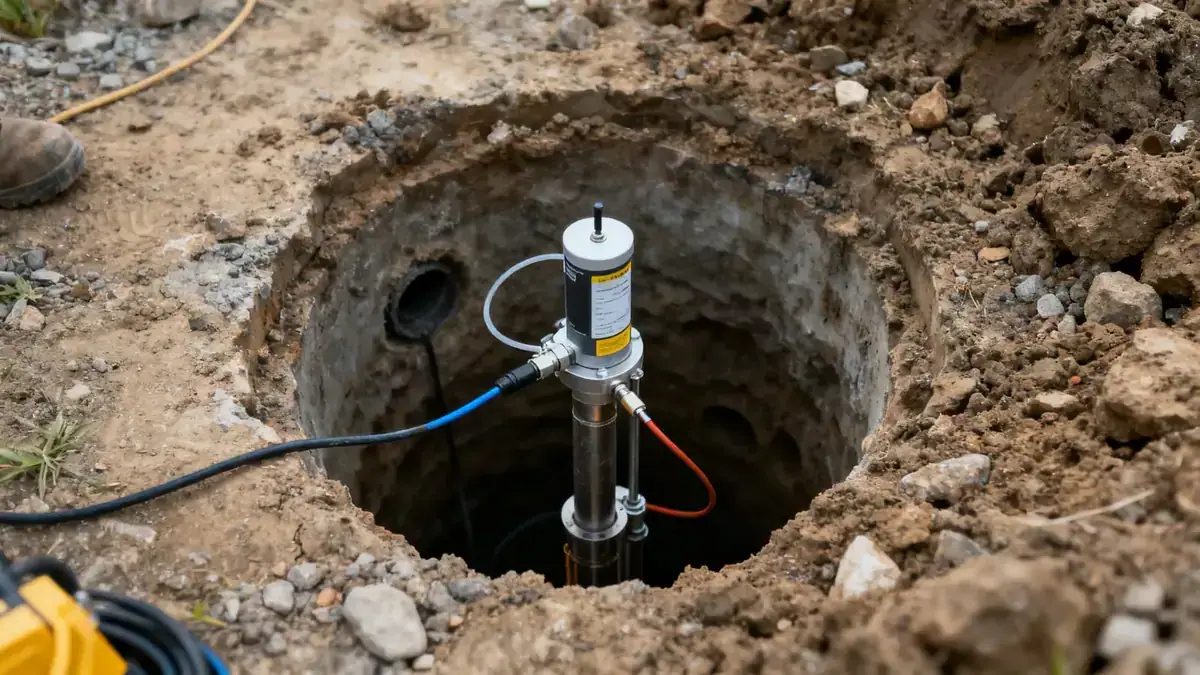
Our methodology in Bedford integrates field sampling and laboratory analysis following BS 5930:2015. We employ standard penetration testing (SPT) per ASTM D1586 and continuous dynamic sampling to capture soil variability. In our soil mechanics laboratory, we conduct index properties, compaction, and strength tests to classify soils and determine bearing capacity. Each project receives a tailored testing program, from initial site investigation to final reporting, ensuring data reliability for engineers and contractors.
Reference Technical Parameters
| Parameter | Reference Value |
|---|---|
| Predominant soil type | Oxford Clay and river terrace deposits |
| Maximum seismic acceleration (PGA) | 0.10g (low seismicity per Eurocode 8) |
| Typical groundwater level | 2–5 m below ground surface |
| Bedrock depth | Variable; Jurassic limestone at 20–40 m |
| Typical N60 range (SPT) | 8–25 blows/0.3 m in clay |
Local Considerations — Bedford
Bedford's subsurface is dominated by Oxford Clay, a stiff to very stiff fissured clay with high plasticity, interbedded with river terrace sands and gravels. Groundwater is generally shallow (2–5 m), requiring dewatering for excavations exceeding 3 m. Seismic hazard is low (PGA ≈ 0.10g) per Eurocode 8, but liquefaction potential in sandy lenses should be assessed. In urban areas, made ground and old foundations necessitate careful investigation. Typical projects include residential extensions, commercial developments, and road improvements. For regional context, our soil mechanics laboratory en London offers additional resources.
Request a Quote
Our team reviews your project and issues an initial report at no cost.
Or write us directly at [email protected]
Services in Bedford
Applicable Standards
- BS 5930:2015
- Eurocode 7 (BS EN 1997)
- ASTM D1586
- Eurocode 8 (BS EN 1998)
Frequently Asked Questions
What soil types are commonly found in Bedford?
Bedford's soils are predominantly Oxford Clay, a stiff fissured clay, with river terrace deposits of sand and gravel along the River Great Ouse. These materials influence foundation design and require specific laboratory testing for accurate classification.
Is seismic design required for buildings in Bedford?
Bedford lies in a low seismicity region (PGA ≈ 0.10g) per Eurocode 8. Seismic design is generally not critical for standard structures, but site-specific ground response analysis may be needed for sensitive or tall buildings.
Are soil investigations mandatory for construction in Bedford?
While not always legally required, soil investigations are strongly recommended by local planning authorities and building control. They help identify ground conditions, reduce construction risks, and ensure compliance with foundation design standards.