Methodology
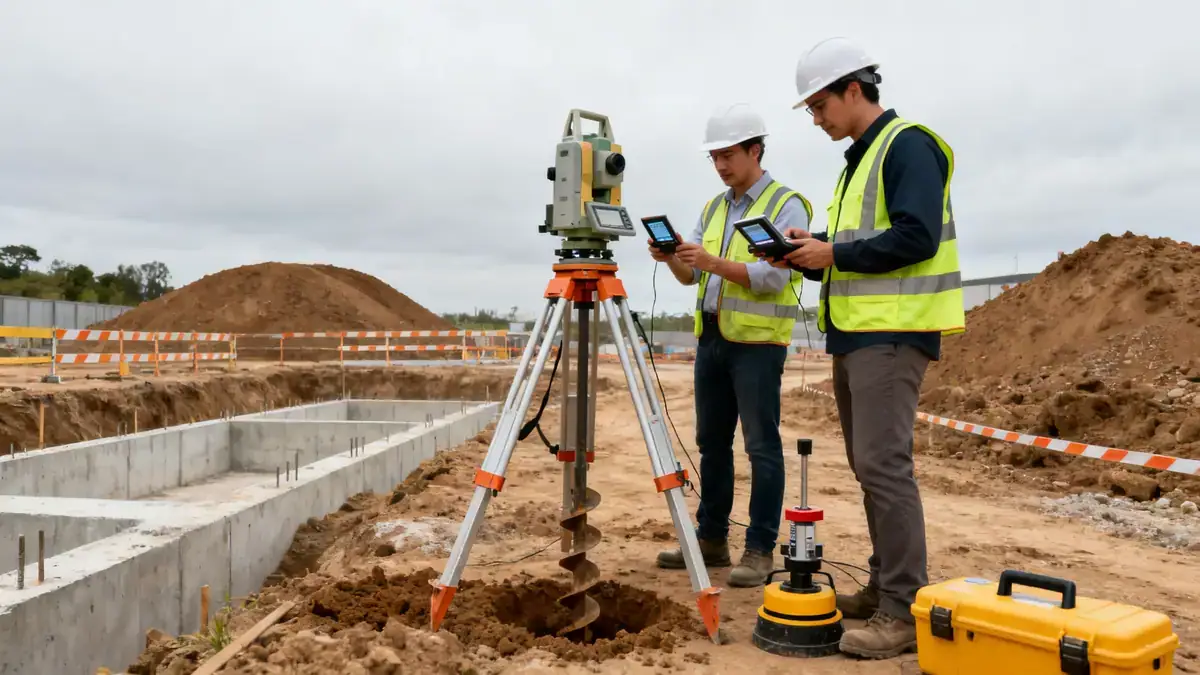
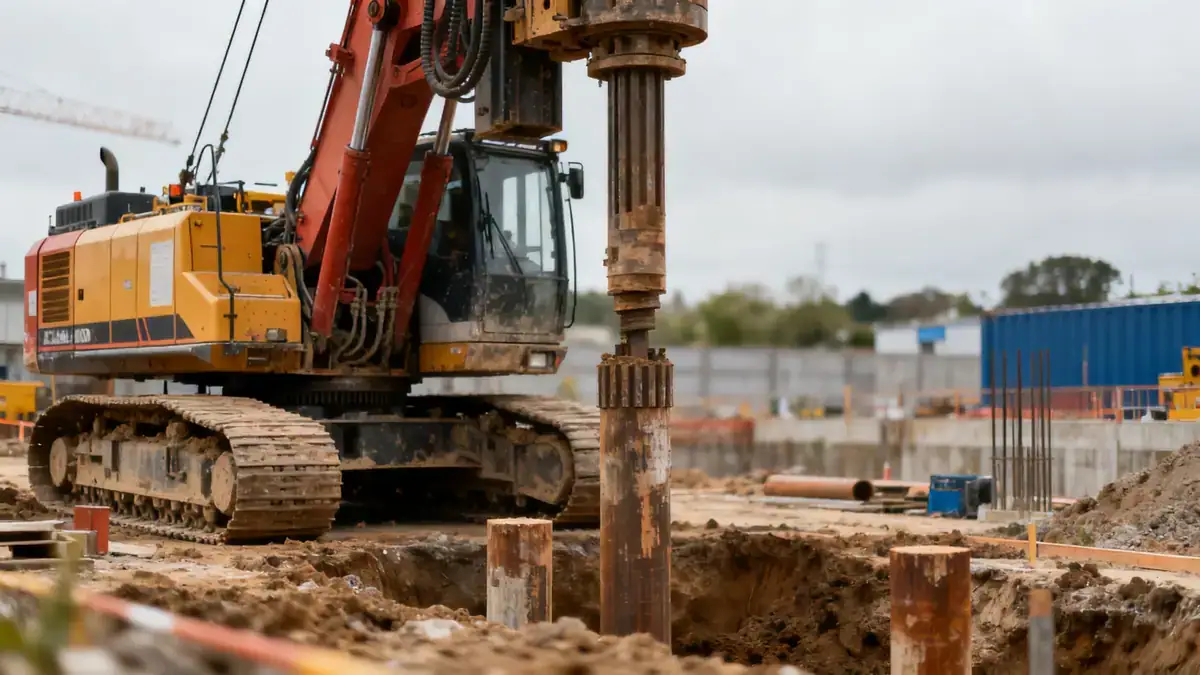
Our methodology for soil mechanics laboratory work in Basildon follows a systematic approach aligned with BS 5930 and Eurocode 7. We begin with a desk study of geological maps and historical records, then proceed to intrusive investigation using methods such as cable percussion drilling and window sampling. In our UKAS-accredited laboratory, we perform classification tests (granulometry, Atterberg limits), compaction tests (Proctor), and strength tests (triaxial, direct shear) according to ASTM and BS standards. For a detailed overview of our capabilities, visit our soil mechanics laboratory page. All results are interpreted with reference to local conditions and project requirements.
Reference Technical Parameters
| Parameter | Reference Value |
|---|---|
| Predominant soil type | London Clay overlying Lambeth Group |
| Maximum seismic acceleration (PGA) | 0.10g (low seismicity per Eurocode 8) |
| Typical groundwater level | 2–4 m below ground surface |
| Bedrock depth | Variable, typically >20 m (Chalk) |
| Typical N60 range (SPT) | 10–25 in clay, 30–50 in sand/gravel |
Local Considerations — Basildon
Basildon's geology is dominated by London Clay, a high-plasticity clay that can cause long-term settlement and swelling issues. Groundwater levels are generally shallow (2–4 m), requiring dewatering for deep excavations. Seismicity is low (PGA 0.10g), but Eurocode 8 still applies. Western areas (Laindon) have more sandy gravels, while eastern parts (Pitsea) are clay-dominated. Typical projects include housing developments and industrial units, often needing shallow foundations or piled solutions. For advanced testing methods, see our granulometry & atterberg page. Our team works closely with local councils to meet planning requirements.
Request a Quote
Our team reviews your project and issues an initial report at no cost.
Or write us directly at [email protected]
Services in Basildon
Applicable Standards
- BS 5930:2015 Code of practice for ground investigations
- Eurocode 7 (BS EN 1997-1 and 1997-2)
- Eurocode 8 (BS EN 1998-5) for seismic design
- ASTM D1586 Standard Test Method for Standard Penetration Test (SPT)
Frequently Asked Questions
What are the typical soil conditions in Basildon?
Basildon primarily sits on London Clay, a stiff overconsolidated clay with high plasticity. Superficial deposits include river terrace gravels and alluvium in valleys. Groundwater is typically encountered at 2–4 m depth. These conditions influence foundation design and require careful geotechnical assessment.
Is seismic design required for Basildon?
Yes, Eurocode 8 applies, but Basildon is in a low-seismicity zone with a peak ground acceleration of around 0.10g. For most structures, seismic loads are not critical, but site-specific response spectra may be needed for important buildings. Our laboratory tests provide dynamic soil parameters for such analyses.
Are soil mechanics studies mandatory for Basildon projects?
While not always statutory, local planning authorities often require ground investigation reports for new developments, especially on brownfield land or where shrink-swell clays are present. A soil mechanics laboratory study helps mitigate risks like differential settlement and ensures compliance with Eurocode 7.