Methodology
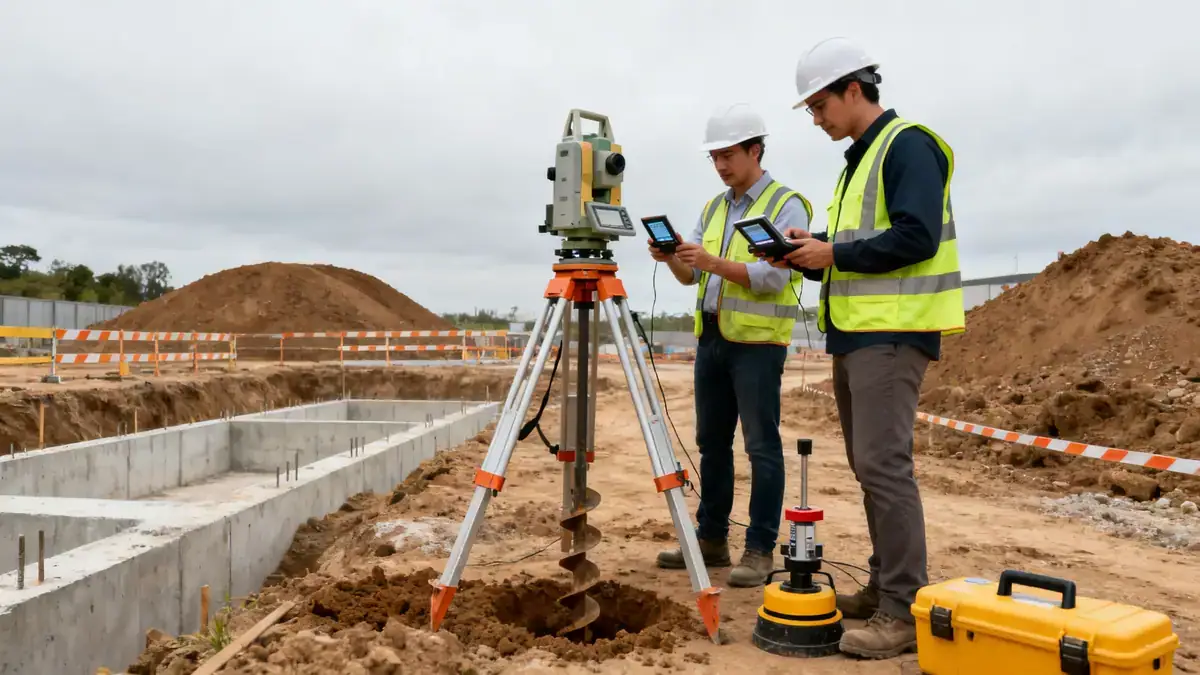
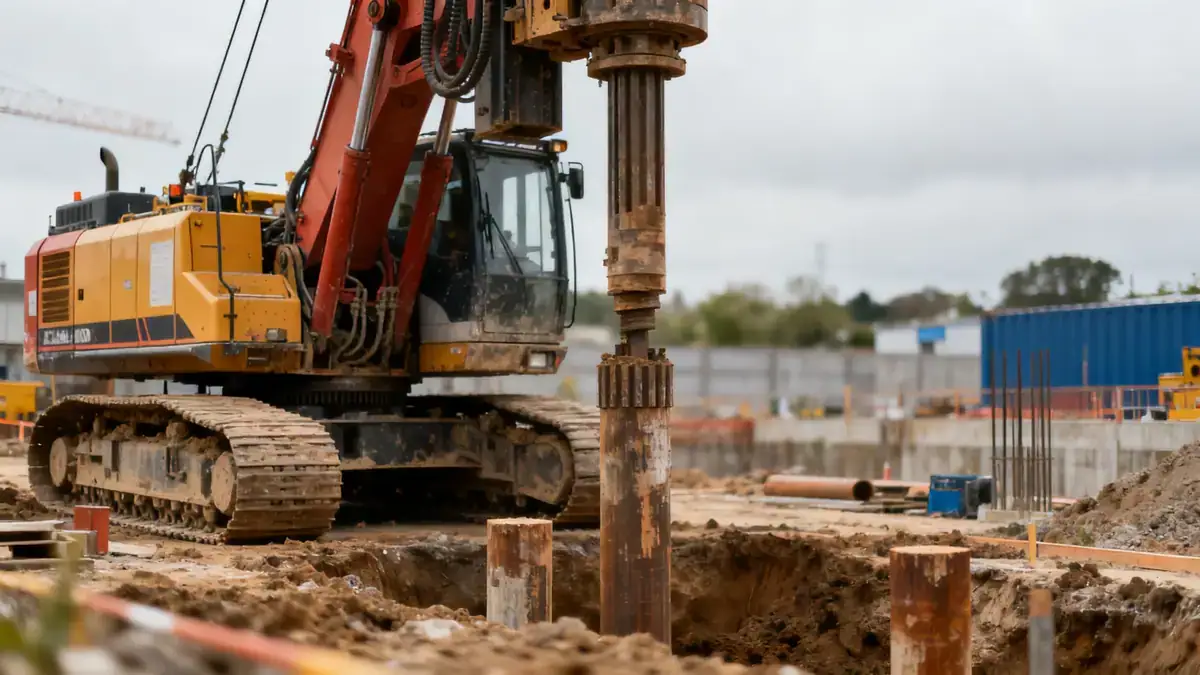
Our methodology for projects in Barnsley follows a systematic approach, beginning with a detailed desk study of geological maps and historical mining records. We then conduct intrusive investigations using techniques such as window sampling and rotary core drilling, adhering to soil mechanics laboratory standards. Samples are transported to our UKAS-accredited laboratory for classification (BS 5930), strength, and consolidation testing. Our team employs dynamic probing and SPT (ASTM D1586) to assess soil density and strength profiles, ensuring representative data for geotechnical design. All procedures are tailored to Barnsley's typical ground conditions, including superficial deposits over Coal Measures bedrock.
Reference Technical Parameters
| Parameter | Reference Value |
|---|---|
| Predominant Soil Type | Glacial till and weathered mudstone/siltstone |
| Maximum Seismic Acceleration (PGA) | 0.05g to 0.10g (ASCE 7 Seismic Design Category A/B) |
| Typical Groundwater Level | 2–5 metres below ground level |
| Bedrock Depth | 5–20 metres (Coal Measures) |
| Typical N60 Range | 10–40 blows/300mm (variable) |
Local Considerations — Barnsley
Barnsley's geology is dominated by Coal Measures strata overlain by glacial till and alluvial deposits along river valleys. Historical coal mining has created legacy issues such as shallow workings, crown holes, and mine gas, requiring careful assessment. The groundwater table is generally shallow in low-lying areas, affecting excavation and foundation design. Seismic hazard is low, but site-specific response may vary due to soil stiffness. For complex projects, our team references granulometry & atterberg testing to classify fine-grained soils accurately. Developers in Barnsley should also consult our soil mechanics laboratory en Leeds for regional coordination on larger schemes.
Request a Quote
Our team reviews your project and issues an initial report at no cost.
Or write us directly at [email protected]
Services in Barnsley
Applicable Standards
- BS 5930:2015 Code of practice for ground investigations
- Eurocode 7: Geotechnical design (BS EN 1997-1 and -2)
- ASTM D1586 Standard Test Method for Standard Penetration Test (SPT)
- NHBC Standards Chapter 4.2 (for residential foundations)
Frequently Asked Questions
What types of soil are commonly found in Barnsley?
Barnsley typically has glacial till (boulder clay) overlying Coal Measures bedrock (mudstone, siltstone, sandstone). Alluvial deposits occur in valleys. These soils often exhibit variable strength and may contain cobbles or boulders, requiring careful sampling and testing.
Is seismic design required for buildings in Barnsley?
Seismic hazard in Barnsley is low, with peak ground acceleration generally below 0.10g. However, Eurocode 8 may apply for certain structures. Site-specific response should be evaluated, especially on soft soils, to ensure compliance with UK National Annex requirements.
Do I need a ground investigation for a small extension in Barnsley?
Yes, for any new foundation or significant excavation, a ground investigation is recommended. NHBC standards require at least trial pits or boreholes to assess soil type, bearing capacity, and groundwater. Local mining legacy may also necessitate further assessment.