Methodology
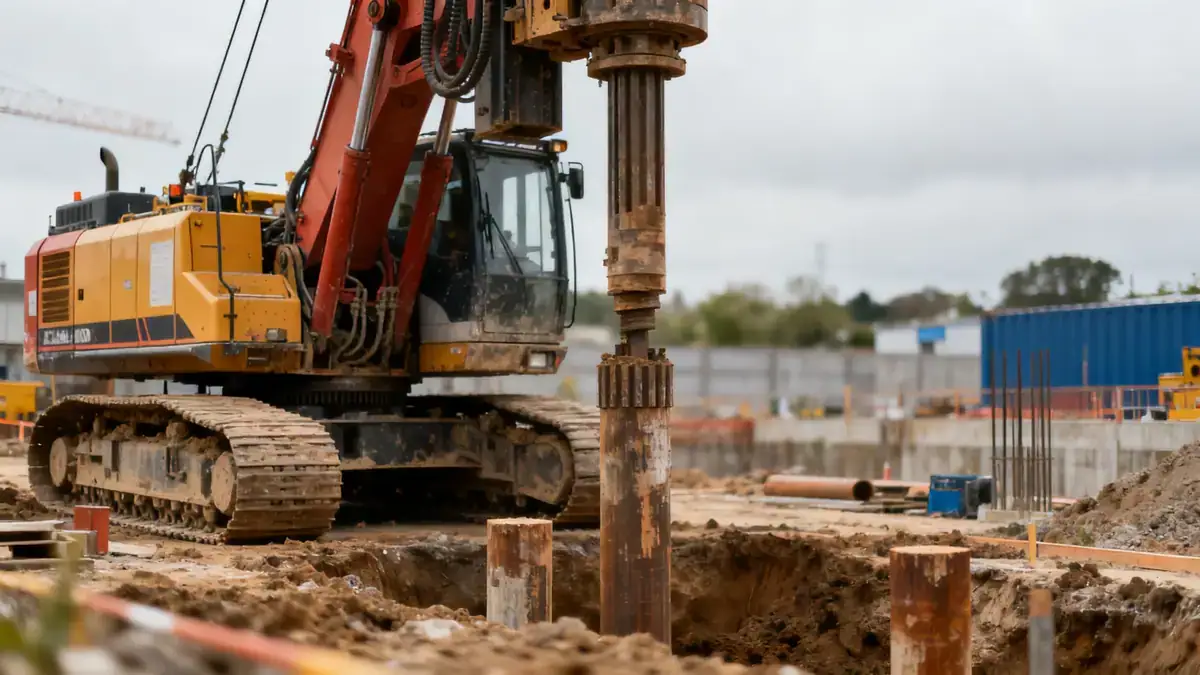
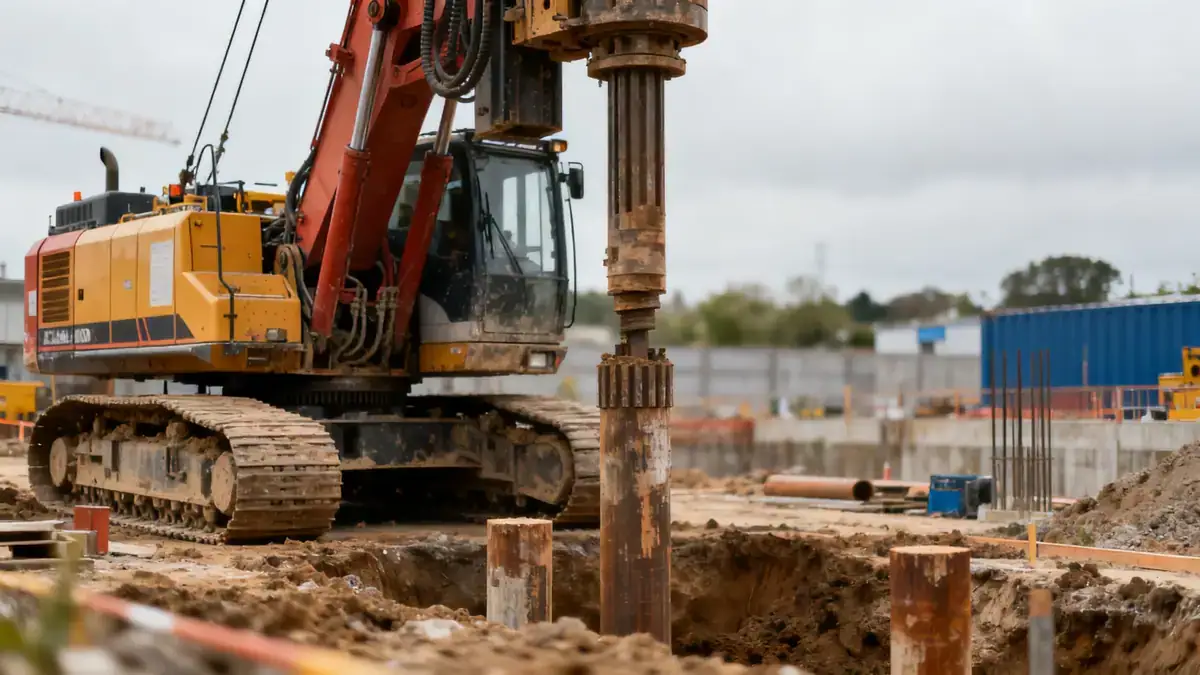
Our methodology for soil mechanics laboratory investigations in Aylesbury follows established procedures to capture representative samples and produce high-quality data. Fieldwork typically involves boreholes with standard penetration testing (SPT) per ASTM D1586 at intervals of 1.0–1.5 m, supplemented by trial pits to depths of 2–3 m where water table permits. All samples are transported to our laboratory for classification testing, including particle size distribution, Atterberg limits, and compaction characteristics. For detailed shear strength and consolidation parameters, we perform triaxial and oedometer tests. Our integrated approach ensures that every project benefits from a robust understanding of the local ground conditions, from the stiff clays to the granular deposits. For more on our core capabilities, visit our soil mechanics laboratory page.
Reference Technical Parameters
| Parameter | Reference Value |
|---|---|
| Predominant soil type | Glacial till and river terrace gravels over Gault Clay |
| Maximum seismic acceleration (PGA) | 0.05–0.10 g (low seismicity region) |
| Typical groundwater level | Variable; 2–6 m below ground surface |
| Bedrock depth | >20 m (Jurassic mudstones and limestones) |
| Typical N60 range (SPT) | 10–30 in clays; 20–50 in granular soils |
Local Considerations — Aylesbury
Aylesbury's geology is dominated by the Gault Clay Formation, overlain by glacial till and river terrace deposits along the River Thame valley. These stiff to hard clays often exhibit high plasticity and shrink-swell potential, posing challenges for shallow foundations. In contrast, the granular terrace gravels provide better bearing capacity but may require dewatering during excavation. Seismicity is low, with peak ground accelerations below 0.10 g per Eurocode 8 national annex, so seismic design is rarely critical. Typical development includes residential estates on greenfield sites and town centre redevelopments where existing foundations must be considered. For a comparative perspective on urban ground conditions, our soil mechanics laboratory en London team addresses similar clay challenges at larger scales.
Request a Quote
Our team reviews your project and issues an initial report at no cost.
Or write us directly at [email protected]
Services in Aylesbury
Applicable Standards
- Eurocode 7 (EN 1997-1 and EN 1997-2)
- ASTM D1586 (Standard Penetration Test)
- BS 5930 (Code of practice for ground investigations)
- ASTM D698 (Standard Proctor Compaction)
Frequently Asked Questions
What are the typical soil types encountered in Aylesbury?
Aylesbury's subsurface primarily consists of Gault Clay, a stiff to very stiff high-plasticity clay, overlain by glacial till and river terrace gravels. These deposits influence foundation design and require careful assessment through soil mechanics laboratory testing.
Is seismic design required for structures in Aylesbury?
Seismic design in Aylesbury is generally not critical due to low seismicity. The UK National Annex to Eurocode 8 assigns peak ground accelerations below 0.10 g, so standard foundation provisions suffice for most projects.
When is a soil mechanics laboratory study mandatory in Aylesbury?
While not always mandatory, a soil mechanics laboratory study is strongly recommended for any significant development in Aylesbury. Local planning authorities often require ground investigation reports to ensure safe and economical foundation design, especially in areas with shrink-swell clays.