Methodology
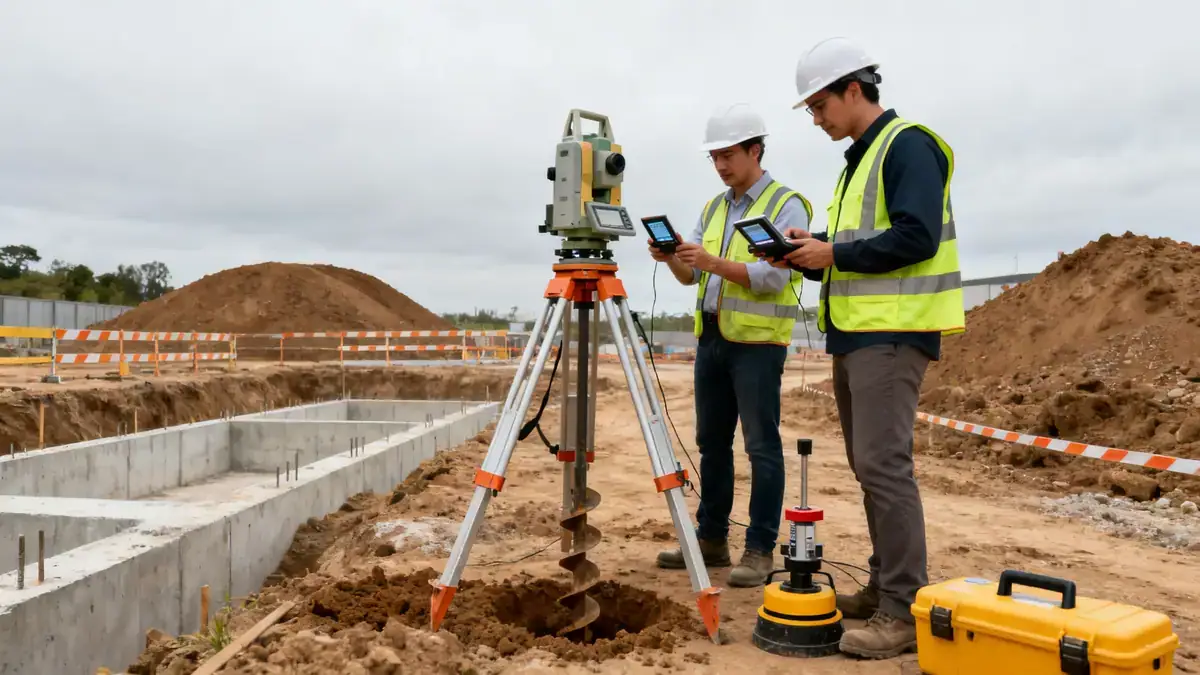
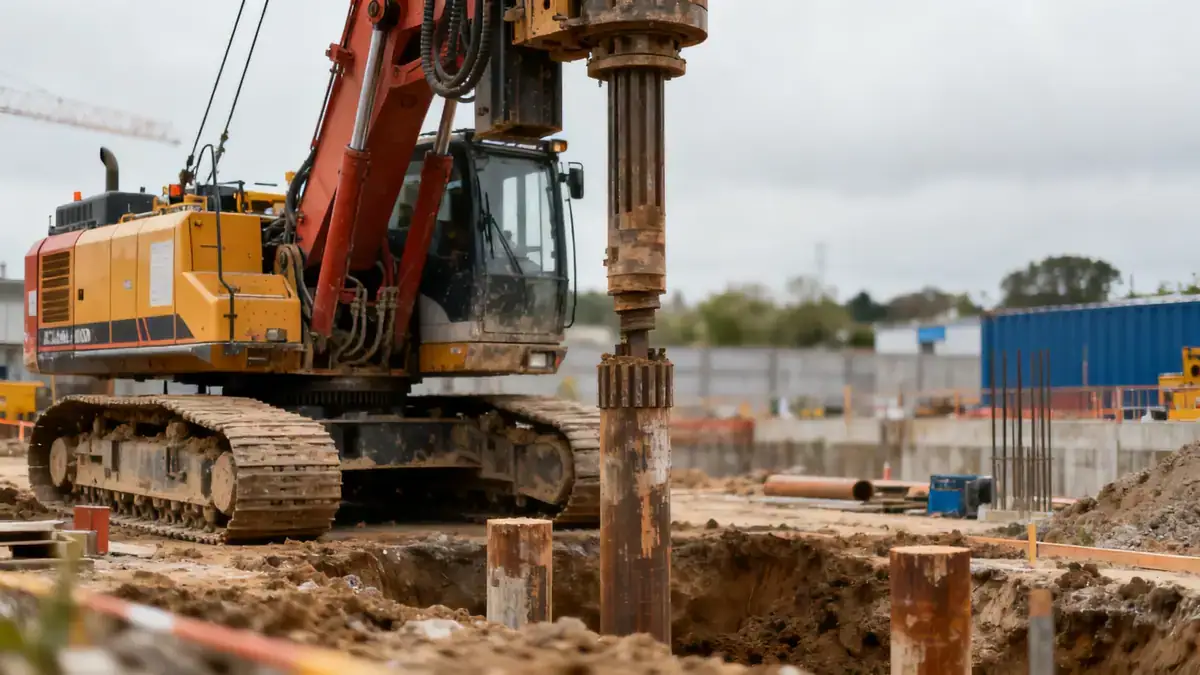
Our methodology for soil mechanics laboratory in Ashford follows a systematic approach aligned with Eurocode 7. We begin with a detailed desk study of local geology and historical site uses. Fieldwork includes boreholes drilled to depths of 8–15 m for typical residential sites, with sampling intervals per ASTM D1586. Samples are transported to our laboratory for classification, strength, and consolidation testing. Our team applies the British Standard suite of tests, including granulometry & atterberg limits, to characterize soil behavior. This integrated workflow ensures that all geotechnical parameters are derived consistently and defensibly.
Reference Technical Parameters
| Parameter | Reference Value |
|---|---|
| Predominant soil type | Wealden Clay and Tunbridge Wells Sand |
| Maximum seismic acceleration (PGA) | 0.05g to 0.10g (low seismicity per UK National Annex to Eurocode 8) |
| Typical groundwater level | 2 to 5 m below ground surface |
| Bedrock depth | Variable; typically >30 m (no bedrock within borehole depth) |
| Typical N60 range (SPT) | 5–15 blows/300 mm in clay; 15–30 in sand |
Local Considerations — Ashford
Ashford sits on the Low Weald, underlain by Wealden Clay with interbedded sandstones. This clay is prone to shrink-swell behavior, requiring careful assessment of seasonal moisture changes. Groundwater is shallow, often within 2–3 m, impacting excavation and foundation design. Seismic hazard is low per UK practice, but the clay's sensitivity demands attention. Our soil mechanics laboratory in Ashford addresses these factors with tailored testing programs. For projects requiring regional context, we also operate a soil mechanics laboratory en London, providing broader support across the Southeast.
Request a Quote
Our team reviews your project and issues an initial report at no cost.
Or write us directly at [email protected]
Services in Ashford
Applicable Standards
- Eurocode 7 (BS EN 1997)
- Eurocode 8 (BS EN 1998) – UK National Annex
- BS 5930: Code of practice for ground investigations
- ASTM D1586: Standard Test Method for SPT
Frequently Asked Questions
What soil types are typically found in Ashford?
Ashford is predominantly underlain by Wealden Clay, with layers of Tunbridge Wells Sand. These soils exhibit variable properties, from high-plasticity clay to dense sand, requiring thorough laboratory classification for foundation design.
Does Ashford require seismic design per Eurocode 8?
Seismic hazard in Ashford is low, with peak ground acceleration typically below 0.10g. However, Eurocode 8 may apply for certain structures, and our team can assess site-specific response using local ground conditions.
Are soil mechanics studies mandatory for construction in Ashford?
While not legally mandated for all projects, British Standards and NHBC guidelines strongly recommend ground investigations. Local clay shrink-swell and shallow groundwater make soil testing essential for risk mitigation and foundation design.